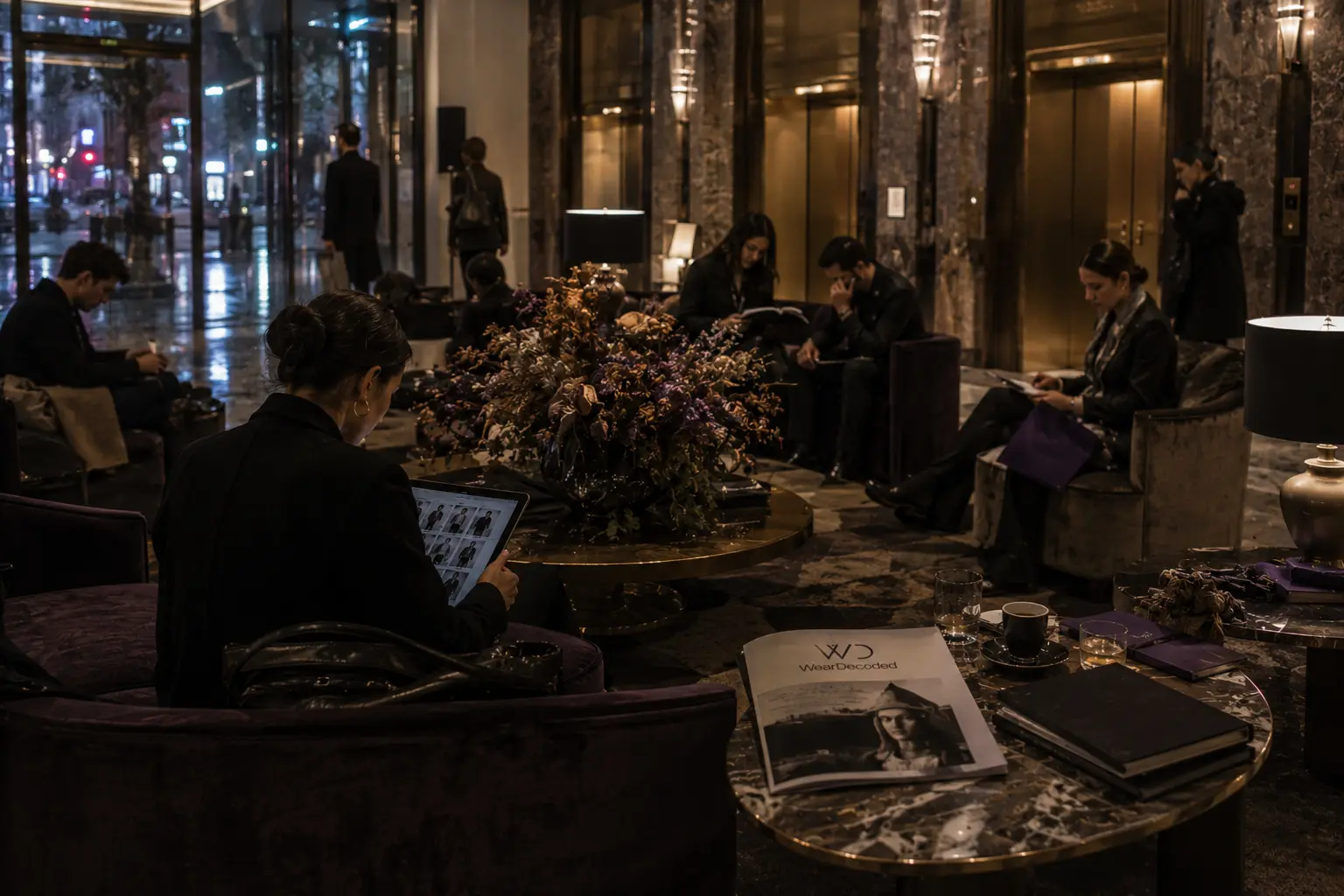
Fashion often works faster than language does. People usually react before they fully understand why. A store feels calm immediately. A campaign feels awkward immediately. A creator’s apartment lighting either feels believable or strangely artificial within seconds. Most of those reactions happen long before anyone starts explaining branding strategy or creative direction publicly.
Atmosphere arrives first.
That is partly why some brands weaken themselves by over-explaining every decision. Long captions trying to justify basic styling. Endless interviews describing “the vision.” Campaigns surrounded by paragraphs of positioning language before audiences even experience the visuals naturally.
Sometimes explanation interrupts instinct.
Strong visual identity usually speaks before the copy does.
WearDecoded
Fashion Still Runs On Feeling
Not every strong fashion moment needs intellectual framing to work.
People notice silhouette, pacing, texture, casting, movement, and colour balance instinctively. They notice when lighting feels emotionally cold. They notice when clothes move naturally. They notice when somebody looks genuinely connected to what they are wearing instead of styled inside a strategy presentation.
Good visual identity usually speaks before the copy does.
That tension between clarity and mystery has always existed inside fashion culture. The strongest spaces often reveal just enough to stay recognizable while still leaving room for interpretation, projection, and curiosity.
The internet changed this dynamic even further.
Modern audiences scroll too quickly to absorb heavily explained branding language constantly. They react to visual rhythm first. A mirror selfie. A blurry campaign image. A half-finished coffee beside folded clothing. A creator repeatedly wearing the same oversized jacket across months of content.
People build emotional understanding through repetition and atmosphere now.
Over-Optimization Made Things Feel Emptier
A lot of digital fashion spaces became too optimized.
Perfect captions. Perfect grids. Perfect strategy decks. Perfect engagement structures. Eventually some of it stopped feeling emotionally believable because audiences could sense the calculation underneath everything.
People became more visually skeptical.
That does not mean audiences suddenly dislike beautiful imagery or thoughtful branding. It means they increasingly trust environments that feel observed carefully instead of aggressively engineered for reaction.
Some unfinishedness feels human.
A slightly awkward layout. A repeated outfit. Uneven lighting. A creator not explaining every aesthetic reference publicly. A fashion publication still evolving instead of pretending it already became culturally definitive overnight.
Those details often create stronger long-term attachment because people feel invited into a process instead of marketed toward constantly.
Mystery Still Matters
Fashion loses something important when every decision becomes fully translated into corporate language.
Part of the appeal has always been emotional interpretation. Why a photograph works. Why certain colours feel expensive together. Why one campaign feels timeless while another disappears after three weeks online. Some reactions remain instinctive even when audiences cannot explain them perfectly.
That ambiguity matters.
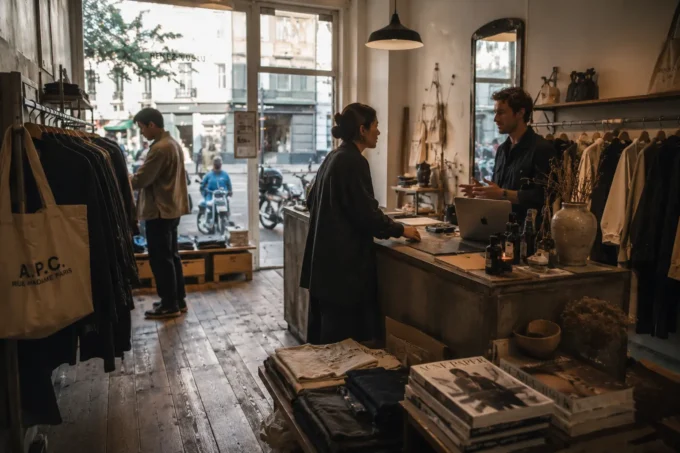
The most memorable fashion environments usually leave people feeling something slightly before they fully understand it logically. A soundtrack inside a store. The pacing of runway models. Soft airport lighting hitting neutral fabrics. The way somebody casually repeats jewellery across months of photographs without mentioning it once.
Those details stay in memory longer than explanations sometimes do.
WearDecoded is intentionally developing as an evolving visual and editorial environment instead of pretending every page already arrived fully resolved. Some spaces will likely continue shifting through contributors, collaborations, observations, and changing fashion behavior over time.
Not everything meaningful appears fully explained the first time people encounter it.
People, creators, photographers, brands, and studios interested in contributing, collaborating, or sharing ideas can reach out through the Contact page or email
Information in this post is accurate at the time of writing but may change over time. Always verify details independently when needed.









Leave a comment