No products in the cart.


Decoded
Lookbooks Became Lifestyle Documents
Modern fashion lookbooks now sell atmosphere, routine, and identity almost as much as the clothing itself.
Share
lookbooks used to feel highly controlled.
Perfect studio lighting. Empty backgrounds. Stiff poses. Clothing photographed in isolation from everything around it. The goal was simple: show the product as clearly as possible without distraction.
That approach still exists, but audiences respond differently now.
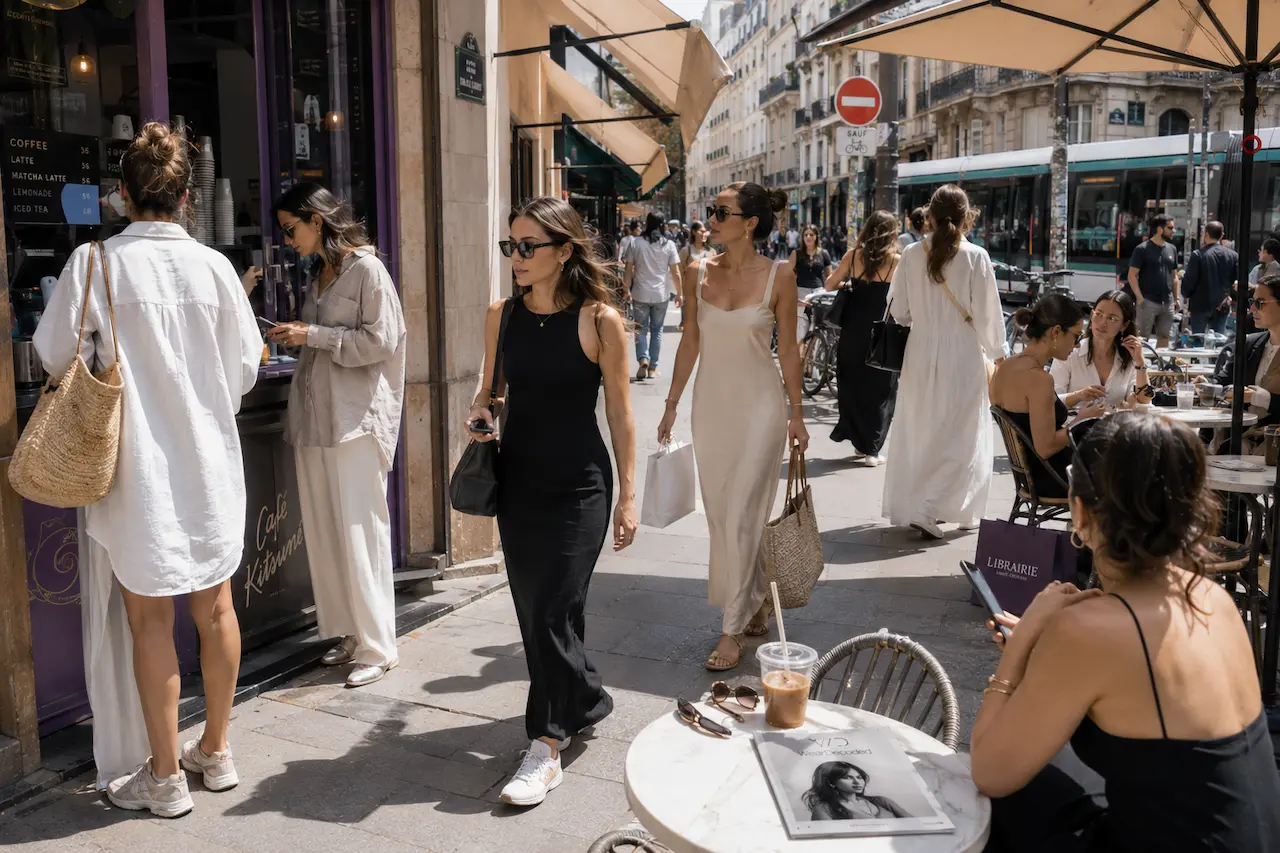
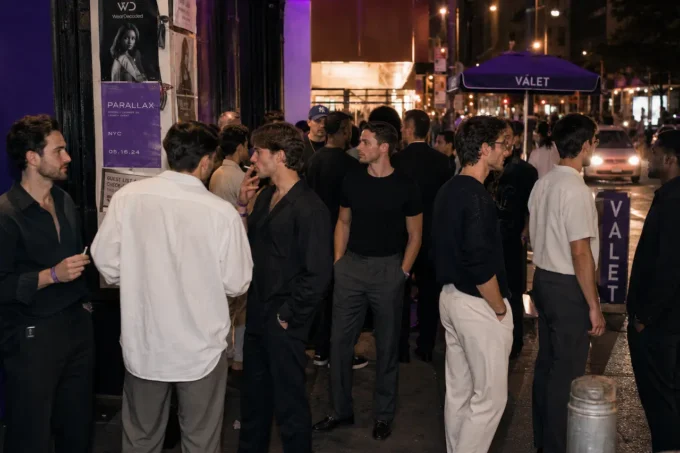
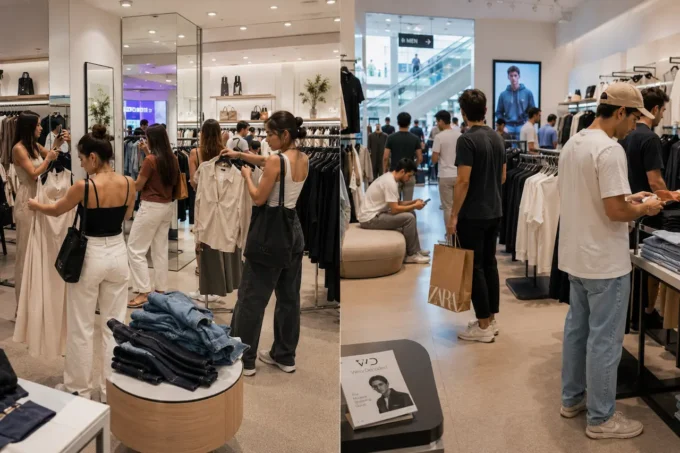
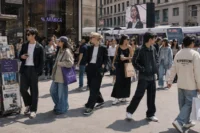
The most believable fashion images today are often the ones that look like they were never trying too hard in the first place. Collections are increasingly photographed inside apartments, grocery stores, cafés, laundromats, bookstores, elevators, sidewalks, hotel rooms, airports, and moving city streets because consumers want context around the clothing, not only the clothing itself.
People want to understand how fashion fits into real life again.
People no longer want to see clothes separated from real life.
WearDecoded
Lookbooks Started Feeling More Human
Modern audiences became extremely visually literate after years of overproduced content.
Perfect campaigns still attract attention, but many consumers now connect more strongly with images that feel emotionally believable:
slightly wrinkled fabrics,
natural movement,
soft daylight,
unfinished spaces,
repeated outfits,
and environments that look lived-in instead of constructed entirely for photography.
Those imperfections create realism.
A model drinking coffee near a grocery aisle often feels more relatable than somebody standing motionless inside a blank luxury studio. Clothing styled during ordinary routines feels easier to imagine wearing personally, which is partly why brands increasingly blur the line between campaign photography and documentary-style lifestyle imagery.
The internet changed what aspirational looks like.
Fashion Photography Became More Environmental
Interesting lookbooks now communicate much more than products alone.
The apartment matters.
The music implied through the image matters.
The neighborhood matters.
The lighting matters.
Even background objects shape how people emotionally interpret the clothing.
A dress photographed inside a quiet bookstore creates a completely different feeling than the same dress photographed against a white seamless backdrop.
Context changes perception immediately.
That is why many brands now build lookbooks around environments instead of isolated styling alone. The location becomes part of the storytelling because audiences increasingly respond to images that suggest routine, movement, personality, and everyday atmosphere instead of polished perfection detached from ordinary life.
Luxury Brands Softened Their Visual Language Too
Even luxury fashion became less rigid visually.
Earlier fashion eras often relied heavily on exclusivity through distance:
perfect models,
controlled sets,
unreachable environments,
and styling designed more for aspiration than realism.
Now, many luxury labels intentionally photograph collections inside more natural spaces because consumers have become highly sensitive to imagery that feels excessively engineered or emotionally cold.
The strongest campaigns today often feel observational instead of staged.
Someone walking through a train station.
A coat draped over a café chair.
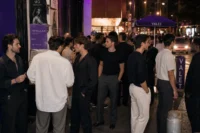
Friends talking casually on apartment floors after midnight.
Natural shadows entering a room during late afternoon.
Those moments feel culturally believable.
Lookbooks Became Lifestyle Documents
Modern lookbooks increasingly function like visual diaries rather than traditional catalogs.
They document:
how people move,
where they spend time,
what environments they belong to,
how clothing exists across ordinary routines,
and how fashion integrates into lifestyle instead of interrupting it.
That broader storytelling matters because consumers increasingly buy emotional identity alongside products themselves.
People no longer want to see clothing separated completely from real life.
WearDecoded is interested in documenting how fashion imagery, creative direction, retail storytelling, and visual culture continue evolving because modern lookbooks increasingly reveal how brands want audiences to imagine living, not only dressing.
Photographers, stylists, creative directors, independent labels, creators, and contributors exploring lifestyle-driven fashion storytelling can reach out through the WearDecoded Contact Page or email .



Related Articles
Decoded
The Cafés Where Projects Begin
Some of the most important fashion collaborations begin long before they look...
Decoded
Smartphones Changed Fashion Photography
Fashion photography became more believable once cameras stopped feeling distant.
Decoded
Good Styling Changes Perception
People often think they are judging clothes when they are actually judging...


Leave a comment