No products in the cart.


Trending
Some Stores Feel More Honest
People often trust a fashion store emotionally before they trust the products inside it.
Share
Some fashion stores immediately feel performative. Others feel lived-in, thoughtful, and quietly confident without needing dramatic architecture or oversized branding. Consumers notice the difference faster than many brands expect.
The lighting feels forced.
The branding feels louder than the clothing.
The environment looks designed mainly for photographs instead of actual browsing.
Other stores feel different almost instantly. They feel calmer, more confident, and more connected to real taste without needing dramatic architecture or oversized visual statements everywhere. Consumers usually notice that distinction much faster than brands expect.
People trust spaces that do not try too hard to impress them.
People trust spaces that do not try too hard to impress them.
wearDecoded
Retail Became More Emotional Again
Fashion retail is increasingly shaped by atmosphere instead of product display alone.
People still care about clothing quality, pricing, fit, and styling, but they also respond emotionally to:
music,
lighting,
materials,
staff energy,
spacing,
scent,
visual rhythm,
and whether the environment feels believable enough to spend time inside comfortably.
The store itself becomes part of the product.
That shift matters because shopping behavior changed dramatically online. Consumers now spend most of their time inside algorithmic environments overloaded with recommendations, trend forecasting, aggressive advertising, creator campaigns, and constant digital stimulation.
Physical retail now competes emotionally against internet fatigue itself.
The Most Memorable Stores Usually Feel Human
Interesting retail environments rarely feel over-designed.
A slightly worn wooden table.
Natural light hitting fabric properly.
Staff speaking normally instead of performing scripted luxury language.
Music quiet enough for conversation.
Clothing arranged with breathing room instead of visual overload.
Those details create emotional trust gradually.
People increasingly spend time inside stores that feel lived-in rather than engineered entirely for social media visibility. A calmer retail environment often creates stronger memory because customers stop feeling processed and start feeling observant instead.
Retail pacing matters now.
Some stores unintentionally exhaust people within minutes because every corner competes for attention simultaneously. Others create enough visual restraint that consumers move more slowly, notice details naturally, and begin building emotional connection without pressure.
Fashion audiences became more sensitive to atmosphere.
Taste Often Reveals Itself Quietly
Good retail spaces rarely explain themselves aggressively.
They allow customers to notice things gradually:
the way fabrics hang,
the lighting near mirrors,
the smell inside fitting rooms,
the playlist choice during slower afternoon hours,
the books near checkout,
the objects placed casually beside products.
Those quieter details often communicate taste more effectively than oversized branding statements.
That is partly why some smaller independent stores create stronger loyalty than larger commercial environments despite having less marketing power. Customers remember how the space felt emotionally, not only what they purchased inside it.
Retail identity increasingly depends on coherence instead of spectacle.
Fashion Conversations Still Begin Offline
The internet dominates fashion visibility publicly, but many important impressions still form inside physical environments.
Someone notices a label unexpectedly while walking through a store.
A stylist discovers a texture impossible to understand online.
A customer changes opinion completely after touching a fabric physically.
A casual conversation inside a showroom leads to a future collaboration months later.
Fashion still moves through physical experience.
WearDecoded is interested in documenting those quieter observations surrounding retail culture, shopping psychology, visual atmosphere, creator ecosystems, and modern fashion behavior because some of the most revealing moments in fashion still happen away from the algorithm entirely.
Not every meaningful fashion conversation begins online. Some begin while standing quietly inside the right store.
Photographers, retailers, creators, stylists, independent labels, and contributors documenting interesting retail environments or fashion culture observations can reach out through the WearDecoded Contact Page or email .
Retail environments, consumer behavior, and fashion shopping experiences vary across regions, brands, and cultural contexts over time.
Related Articles
Trending
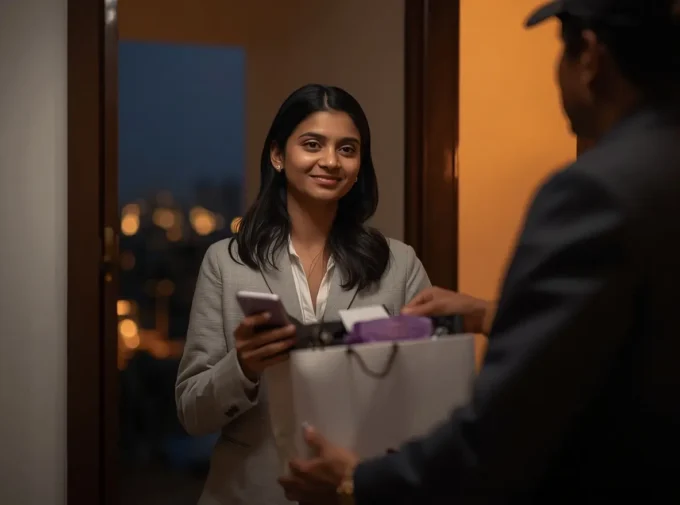
You Forgot an Outfit. Bangalore Will Fix It in 30 Minutes.
Every app delivering clothes fast in Bangalore — Zepto, Blinkit, Myntra M-Now,...
Trending
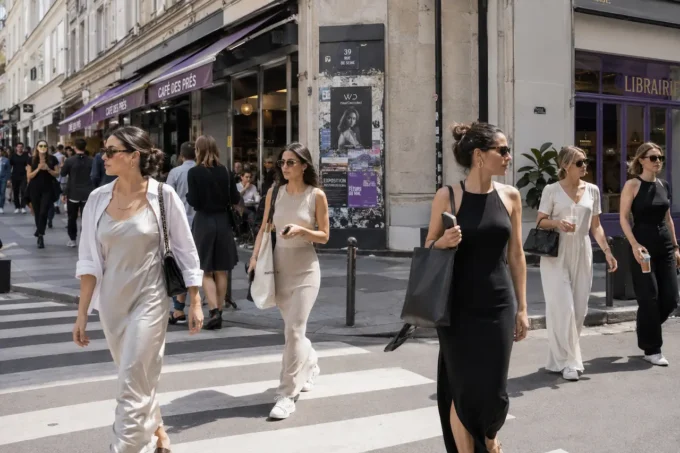
The Dress Style Influencers are Wearing Right Now
The biggest influencer dress trend right now feels quieter, softer, and far...
Trending
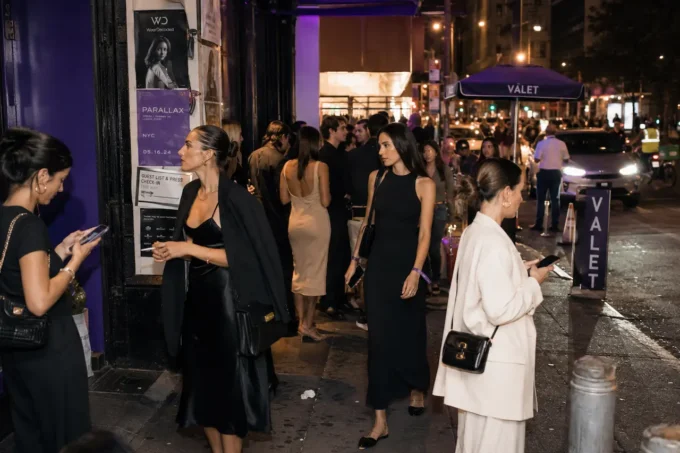
The Outfit Changes After 7PM
Night events expose which outfits were styled for real evenings and which...
Trending
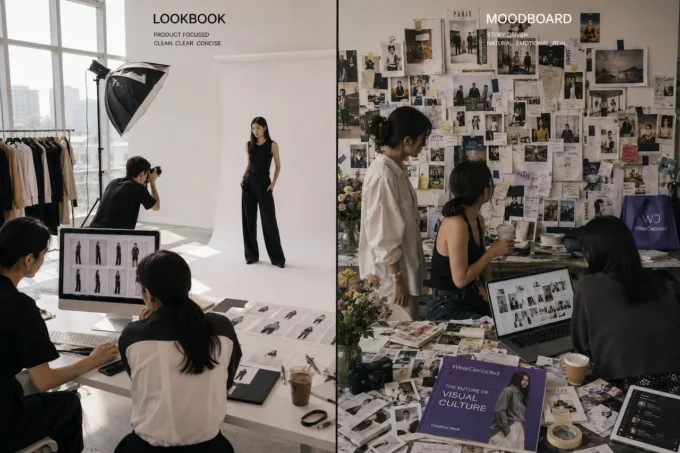
Moodboards Started Replacing Lookbooks
Fashion audiences increasingly connect with the atmosphere around a collection before the...


Leave a comment