No products in the cart.


Decoded
Good Styling Changes Perception
People often think they are judging clothes when they are actually judging presentation.
Share
A basic white shirt inside a badly lit warehouse photo can feel cheap in seconds.
The same shirt photographed near a sunlit apartment window, slightly creased, worn by someone believable, suddenly feels intentional. Softer. More expensive. More worth owning.
WearDecoded is being shaped around those smaller observations across fashion culture, media aesthetics, retail behaviour, creator ecosystems, and brand communication. Some editorial spaces remain intentionally unfinished because the right collaboration or contributor often reshapes the direction more naturally over time.
Good styling quietly edits perception before people even realize it happened.
Fashion has always worked like this, but audiences notice visual language faster now. Years of scrolling trained people to read tiny details almost subconsciously. They notice awkward posing. Forced chemistry between models. Random locations that have nothing to do with the clothing. Lighting that feels copied from five other campaigns.
People may not explain why an image feels wrong. They still feel it.
A lot of fashion photography used to focus on perfection. Perfect steam lines. Perfect posture. Perfect symmetry. Perfect facial expression. But internet fashion culture slowly changed what people emotionally trust.
Now slightly imperfect styling often performs better.
A jacket thrown over a chair can sell styling better than a fully posed studio image. Someone adjusting their sleeve inside an elevator mirror sometimes feels more convincing than a campaign photographed over three days.
That is not because audiences stopped liking beautiful images.
They stopped trusting images that feel too controlled.
They stopped trusting images that feel too controlled.
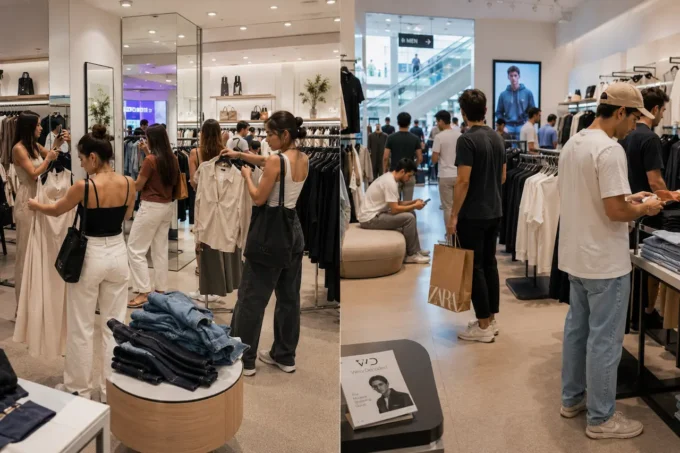
Some of the strongest styling references now come from things that barely look editorial at all. Photo dumps. Airport outfits. Fitting room mirrors. Late-night flash photography. Someone standing outside a convenience store holding iced coffee and car keys.
People want proof that the clothes survive ordinary life.
Even luxury brands have started softening their visual language because hyper-produced campaigns now risk looking emotionally distant. A model sitting too perfectly inside a massive empty studio can accidentally make the clothing feel less wearable instead of more aspirational.
Good styling is not only about expensive pieces anymore. It is about reducing distance between the viewer and the outfit.
That is why casting matters more now.
Not only attractiveness.
Energy.
People instantly notice when someone looks uncomfortable inside the clothing they are wearing. They also notice when someone looks like they would genuinely repeat the outfit again next week.
That changes perception completely.
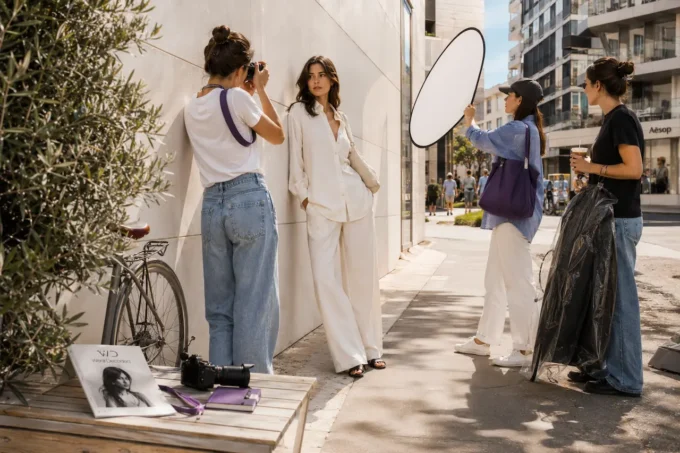
Fabric movement matters too. A stiff shirt photographed standing completely still tells people almost nothing. But slight wrinkles, natural posture, walking movement, uneven lighting, or clothes reacting to wind suddenly make the garment easier to imagine physically wearing.
The internet made fashion more observational.
People pause screenshots now. Zoom into fabric texture. Watch how trousers fold while walking. Save outfits because the background café looked believable. Even messy bedroom mirrors became part of fashion media without anybody officially deciding it.
Presentation quietly shapes memory.
A product photographed against a random white background may disappear from someone’s mind in minutes. But place the same item inside a believable environment — books on the floor, bad apartment lighting, open laptop tabs, half-finished coffee — and suddenly the clothing develops emotional context.
People remember context longer than products.
That is partly why creator-led fashion content became influential so quickly. Many creators accidentally understood something older fashion systems ignored for too long: people trust clothes more when they can imagine living inside them.
Not every strong visual story starts with a massive production budget.
Sometimes it starts with better taste. Better restraint. Better observation.
And sometimes the smartest styling decision is simply making the clothing feel like it already belongs somewhere real.
Presentation quietly edits the way people remember products.
wearDecoded
For
Brands, creators, cafés, studios, events, and independent labels interested in collaborating or advertising with WearDecoded can reach out through the website.
Information in this post is accurate at the time of writing but may change over time. Always verify details independently when needed.




Related Articles
Decoded
The Cafés Where Projects Begin
Some of the most important fashion collaborations begin long before they look...
Decoded
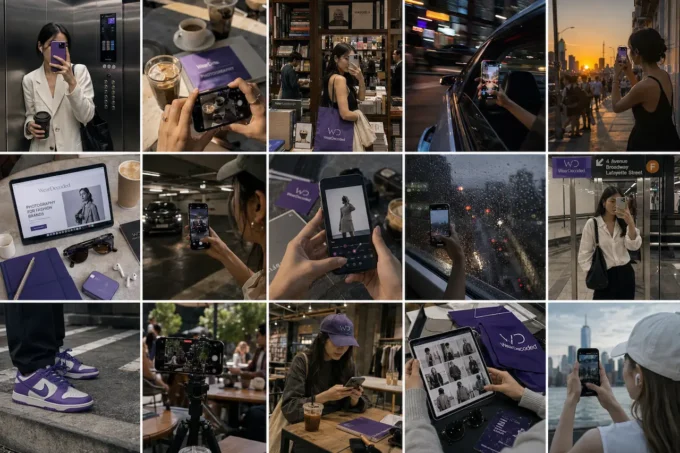
Smartphones Changed Fashion Photography
Fashion photography became more believable once cameras stopped feeling distant.
Decoded
Why Outdoor Shoots Feel Better Again
Natural light, real locations, and less controlled environments are quietly changing how...


Leave a comment