No products in the cart.


Share
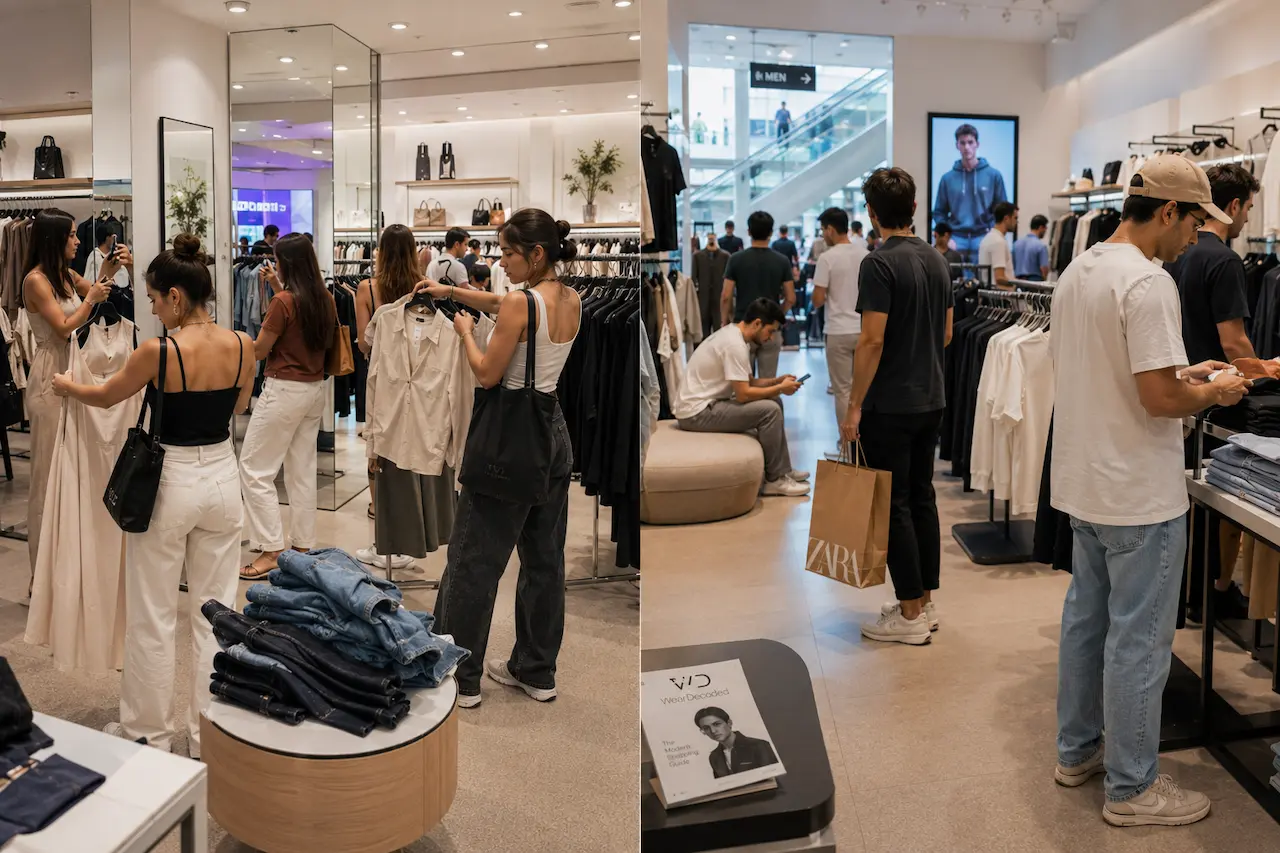
Men’s and women’s shopping behavior still differs in ways fashion brands quietly study constantly.
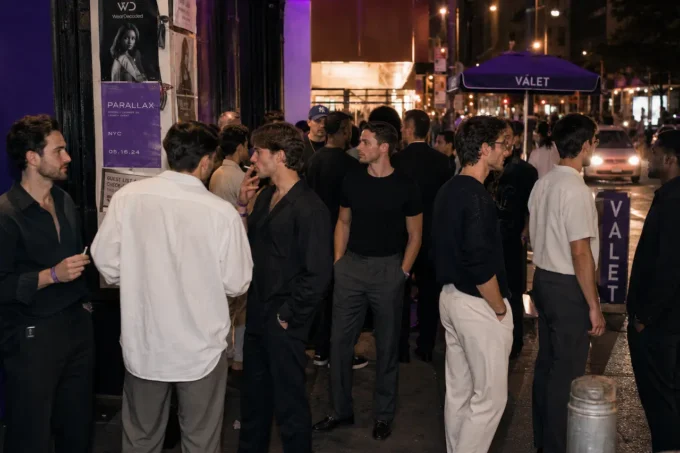
Not because one shops “better” than the other, but because the emotional process behind the purchase often changes completely. Fashion shopping is rarely only about buying clothing. It usually involves identity, confidence, routine, mood, convenience, aspiration, visibility, and how people imagine themselves moving through everyday life.
The reasoning behind the purchase matters as much as the product itself.
Women’s fashion shopping often becomes more exploratory. Styling possibilities matter. Occasion planning matters. Fit variation matters. Colour coordination, layering, repeat usage, and emotional connection to how a piece might work across different situations all influence decision-making heavily.
The process usually moves through discovery first.
Someone may save an outfit weeks before buying anything. Compare fabrics across multiple tabs. Revisit the same product repeatedly. Screenshot styling ideas. Imagine the piece across dinners, travel, work, casual settings, and photographs before checking out.
Fashion browsing itself becomes part of the experience.
People rarely buy fashion for exactly the same reasons.
wearDecoded
Shopping Usually Reflects Emotional ContextMen’s shopping behavior often moves differently.
Many purchases happen with clearer intent:
replacing essentials,
solving a wardrobe problem,
preparing for an event,
finding something repeatable,
or avoiding overthinking future styling decisions.
Convenience matters heavily.
Fit confidence matters heavily too. Once many men find a silhouette, fabric, sneaker model, shirt cut, or trouser fit they trust, repetition usually follows naturally. Familiarity often feels more valuable than endless discovery.
That difference shapes retail environments quietly.
Women are generally shown more discovery-driven interfaces online. Endless scrolling. Layered recommendations. “Complete the look” suggestions. Occasion-based styling. Moodboards. Trend edits. Visual inspiration everywhere.
Men increasingly receive efficiency-focused shopping experiences instead:
quick filtering,
simplified navigation,
repeat purchases,
bundle suggestions,
fit reassurance,
minimal decision fatigue.
Retail systems adapt around those patterns constantly.
The Internet Changed Fashion Consumption
Social media intensified these differences further.
Fashion for many women now spreads through creator styling, outfit repetition, saved collections, aesthetic environments, and emotionally recognizable visual moments online. The purchase often connects to broader lifestyle imagination rather than isolated product need alone.
For men, creator influence increasingly works through practicality and identity signaling together.
Someone repeatedly wearing the same relaxed linen shirt, sneaker silhouette, watch, sunglasses, or oversized tee across realistic environments builds trust faster than heavily styled campaigns sometimes do. Repetition creates familiarity.
People trust clothing more when they can imagine wearing it repeatedly themselves.
That does not mean these patterns apply universally. Fashion behavior keeps changing across generations, cities, cultures, and internet habits constantly. Many men now shop more experimentally than before. Many women increasingly prioritize efficiency and minimalism too.
But broad behavioral differences still shape how fashion platforms design experiences.
Retail Teams Study These Behaviors Constantly
Fashion brands quietly observe how people browse, hesitate, compare, return products, save items, revisit carts, interact with creators, and move through stores physically.
Small behavioral details reveal enormous information.
Which fitting rooms people photograph inside.
Where customers pause longest.
Which products get touched most but purchased least.
Which outfits people repeatedly save online without buying immediately.
How long someone spends comparing sizing before checkout.
The industry watches all of it.
That observation layer increasingly shapes:
store layouts,
creator partnerships,
website structure,
campaign photography,
recommendation systems,
and even the pacing of fashion content itself.
Shopping behavior now influences fashion culture as much as fashion trends sometimes do.
WearDecoded is interested in documenting how those differences continue shaping retail spaces, ecommerce systems, creator influence, fashion media, and modern consumer attention as the industry evolves.
People, creators, photographers, brands, retailers, and contributors interested in collaborating or sharing ideas can reach out through the Contact page or email .
This article discusses broad shopping behavior trends and industry observations that may not apply universally to every individual consumer. Research findings and consumer behavior patterns continue evolving over time.




Related Articles
Decoded
The Cafés Where Projects Begin
Some of the most important fashion collaborations begin long before they look...
Decoded
Smartphones Changed Fashion Photography
Fashion photography became more believable once cameras stopped feeling distant.
Decoded
Good Styling Changes Perception
People often think they are judging clothes when they are actually judging...
Decoded
Why Outdoor Shoots Feel Better Again
Natural light, real locations, and less controlled environments are quietly changing how...


Leave a comment