No products in the cart.


Trending
Trending Does Not Mean Lasting
Some fashion trends disappear before most people even decide whether they actually like them.
Share
Move differently now because the internet accelerates visibility faster than people can emotionally process what they are seeing.
A style can appear everywhere online within days and already feel exhausted before most consumers even decide whether they genuinely want to wear it themselves. Social platforms compressed the lifecycle of trends so aggressively that exposure often peaks before emotional attachment fully forms.
Most trends become public after the interesting part already passed.
That shift changed how fashion behaves culturally. Trends no longer spread gradually through magazines, celebrities, retail stores, and seasonal adoption over long periods of time. They now move through reposts, creator videos, recommendation algorithms, moodboards, airport photos, mirror selfies, and endless scrolling environments that reward novelty faster than reflection.
Visibility became immediate.
Longevity became harder.
Most trends peak publicly after the interesting part already passed.
WearDecoded
The Internet Made Trends Feel Faster
Fashion audiences now consume trends through repetition at enormous speed.
Someone sees the same bag five times in one evening across TikTok videos, Instagram carousels, Pinterest boards, YouTube thumbnails, and creator outfit dumps without even actively searching for it. That repeated exposure creates familiarity quickly, but it can also create fatigue much faster than older fashion cycles ever allowed.
People get tired of trends before experiencing them physically.
That is partly why many aggressively viral aesthetics disappear so quickly. Some trends are designed mainly for visual impact online rather than long-term wearability inside actual life. They look powerful in controlled photographs but become difficult to repeat naturally across workdays, travel, weather, movement, and ordinary routines.
Fashion eventually gets tested outside the algorithm.
Wearable Trends Usually Last Longer
The styles surviving right now generally share something important in common: people can realistically live inside them.
- Oversized silhouettes.
- Relaxed tailoring.
- Muted colours.
- Soft layering.
- Worn-in textures.
- Comfortable footwear.
- Practical bags.
- Simple jewelry.
- Neutral fabrics repeated across different situations.
Those aesthetics continue lasting because they adapt easily to daily life instead of demanding constant performance.
Audiences increasingly trust clothing that survives repetition. Someone rewearing the same oversized jacket across six months often feels more influential than somebody posting a completely different heavily styled outfit every single day.
Repeatability became part of modern style credibility.
That does not mean fashion lost creativity. It means people became more selective about what deserves long-term space inside their wardrobe, camera roll, and personal identity.
Trends Reveal Emotional Behavior Too
Trend cycles increasingly reflect emotional attention patterns online.
- People save aesthetics quickly because they want emotional association with the atmosphere surrounding the trend itself:
- the lighting,
- the creator,
- the apartment,
- the music,
- the body language,
- the environment,
- the imagined lifestyle.
Sometimes audiences react more to the feeling around the clothing than the clothing itself.
That is why some quieter styles survive longer than louder ones. A soft neutral outfit photographed naturally inside believable daily environments often creates deeper attachment than aggressively theatrical styling designed mainly to interrupt scrolling temporarily.
Fashion now competes inside attention economies constantly.
The strongest trends usually survive because they continue making emotional sense after the initial internet excitement disappears.
Lasting Style Usually Moves More Quietly
Some of the most culturally influential fashion shifts never looked explosive in the beginning.
- Relaxed tailoring.
- Minimal sneakers.
- Wide-leg trousers.
- Neutral layering.
- Simple leather bags.
- Oversized outerwear.
- Soft monochrome dressing.
Many of those styles spread gradually through repetition instead of sudden virality. People adopted them because they integrated naturally into ordinary life while still feeling visually modern.
Quiet trends often outlive loud ones.
WearDecoded is interested in documenting that slower side of fashion culture — not only what explodes online first, but what continues surviving after the algorithm moves somewhere else and public attention becomes quieter.
People, creators, brands, photographers, and contributors interested in collaborating or sharing ideas can reach out through the Contact page or email .
Fashion trends, consumer behavior, and internet aesthetics evolve continuously across cultures, regions, and platforms. Observations discussed in this article reflect broader patterns within modern fashion and digital culture.
Related Articles
Trending
You Forgot an Outfit. Bangalore Will Fix It in 30 Minutes.
Every app delivering clothes fast in Bangalore — Zepto, Blinkit, Myntra M-Now,...
Trending
The Dress Style Influencers are Wearing Right Now
The biggest influencer dress trend right now feels quieter, softer, and far...
Trending
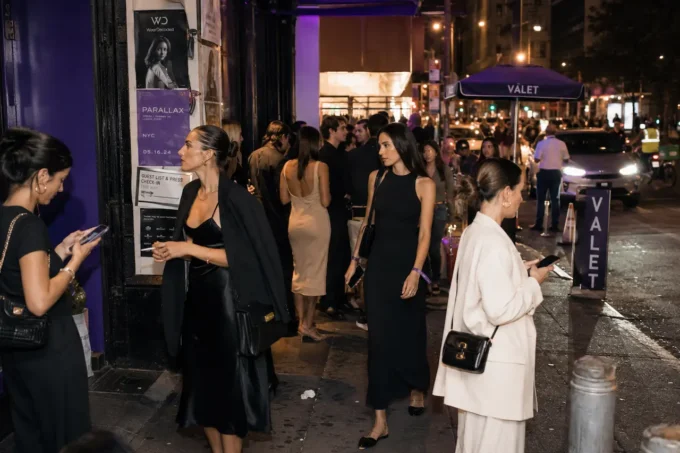
The Outfit Changes After 7PM
Night events expose which outfits were styled for real evenings and which...
Trending
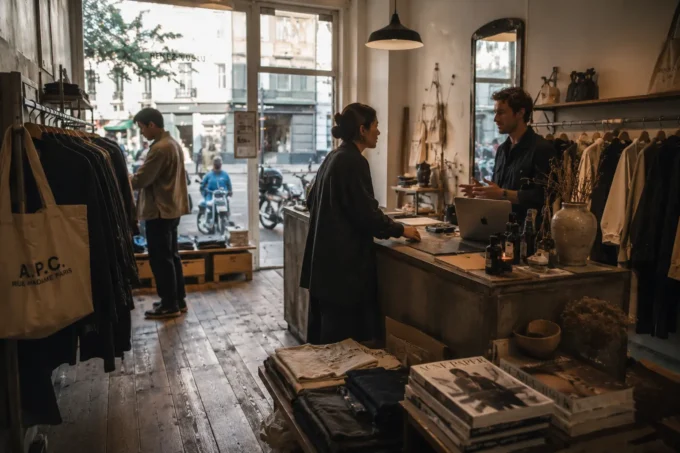
Some Stores Feel More Honest
People often trust a fashion store emotionally before they trust the products...


Leave a comment