No products in the cart.


Events
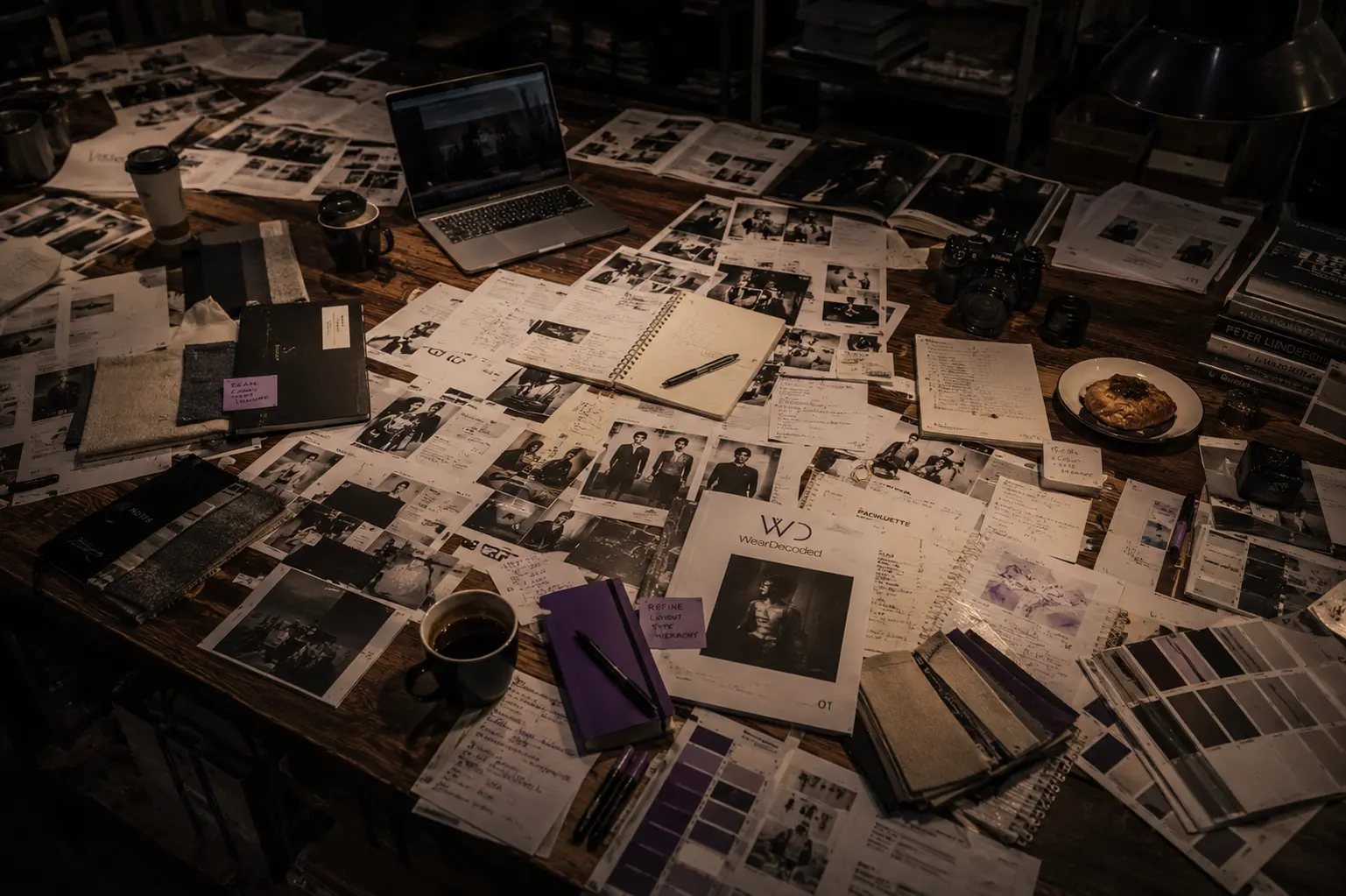
The Table Before The Launch
Most launches are decided long before the audience ever sees the finished version.
Share
The public usually sees the polished version last.
By the time a collection, campaign, launch dinner, creator collaboration, or editorial project becomes visible online, dozens of smaller decisions have already happened quietly in the background. Fabric samples have been passed across tables. Layouts have been rejected. Someone changed the lighting direction three times. A location reference saved at midnight suddenly became the entire mood of the project two days later.
Most creative work spends far longer unfinished than finished.
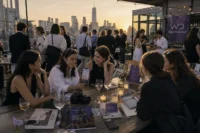
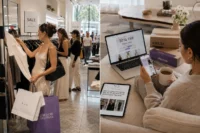
That early stage rarely looks glamorous. It usually looks like crowded tables, open laptops, half-drunk coffees, screenshots, rushed notes, playlists running quietly in the background, and long conversations between people trying to decide whether an idea actually deserves more time or should be abandoned before too much energy gets attached to it.
Those conversations shape the final outcome more than most audiences ever realize.
Most finished campaigns begin as unfinished conversations.
WearDecoded
The Best Ideas Usually Start Messy
Interesting projects rarely arrive fully formed.
A photographer notices a location accidentally. A stylist references an old magazine scan nobody else remembered. Somebody pulls a fabric sample from a previous season. A founder changes direction halfway through the discussion because the original idea suddenly feels too predictable.
Creative decisions often happen through accumulation rather than certainty.
That process became even more visible now because modern campaigns are expected to carry more than products alone. People notice mood, pacing, casting, lighting, environments, music choices, typography, references, and whether the final result feels emotionally believable or overly manufactured.
The atmosphere gets built slowly.
Launches Became More Collaborative
Earlier campaign structures often felt more hierarchical:
creative director,
brand team,
agency,
final approval.
Now the process moves differently.
Creators, stylists, photographers, editors, freelancers, designers, videographers, and even social teams often influence the direction simultaneously. Ideas move through group chats, Pinterest folders, shared drives, reference screenshots, hotel meetings, late-night calls, and temporary workspaces before the final campaign ever reaches the public.
The table before the launch matters because that is where the tone gets decided.
Not only visually.
Emotionally too.
A project can look expensive and still feel empty if the conversations behind it never developed properly. Meanwhile, smaller projects sometimes become culturally memorable simply because the people involved understood exactly what feeling they were trying to create from the beginning.
Audiences Notice When Something Feels Forced
Consumers became much better at detecting work that feels rushed or overly engineered for attention.
People may not always explain it directly, but they notice when:
a campaign feels generic,
a collaboration lacks chemistry,
or a launch looks visually polished without carrying any real point of view underneath it.
That is partly why slower creative development matters again.
The strongest launches usually feel like the final version of many smaller conversations happening over time instead of a single marketing decision assembled quickly for visibility alone.
Sometimes the most important stage of a project happens before cameras even appear.
WearDecoded is interested in documenting those quieter moments around launches, collaborations, editorial development, and creative preparation because many ideas become meaningful long before the audience officially sees the finished result.
Photographers, stylists, editors, creative teams, founders, agencies, and contributors developing thoughtful projects or creative collaborations can reach out through the WearDecoded Contact Page or email .
Related Articles
Events
Fashion events Bangalore May-June 2026
Bangalore Fashion Week was supposed to open this week. It didn't.
Events
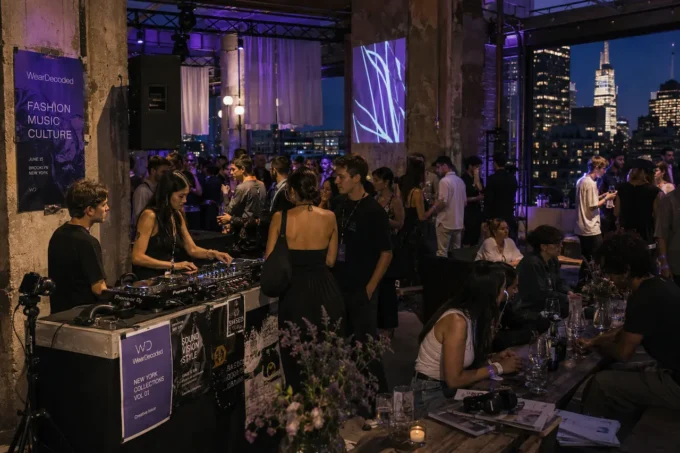
Fashion And Music Need Better Rooms
The most memorable fashion and music events now depend as much on...
Events
Mumbai fashion and lifestyle events 2026: What to attend from May to October and why it matters for your wardrobe
The India Jewellery Show has been running for 14 years. It has...
Events
upcoming fashion events in india 2026: what the second half actually looks like
The handloom hall at Bharat Mandapam goes quiet around 4pm on the...


Leave a comment