No products in the cart.


Decoded
The Cafés Where Projects Begin
Some of the most important fashion collaborations begin long before they look official publicly.
Share
The fashion industry still runs heavily on conversations.
Not only inside offices, agencies, or showroom meetings, but across cafés, airport lounges, hotel lobbies, shared worktables, studio corners, pop-up events, and late-night voice notes exchanged between people slowly trying to build something meaningful together.
Many of the strongest projects begin casually.
A stylist recommending a photographer.
A creator sharing an unfinished idea.
A buyer mentioning a small label quietly.
Someone forwarding references during a late-night conversation without realizing the discussion may eventually shape a campaign months later.
Fashion culture often moves through human interaction before formal structure appears around it.
Most collaborations begin long before they become campaigns.
WearDecoded
Collaboration Usually Starts Before The Campaign Exists
Most creative partnerships do not begin with contracts immediately.
They begin with observation.
Repeated conversations.
Shared references.
Mutual curiosity.
People noticing similar taste before they officially work together.
That slower process matters because strong collaboration usually depends on emotional alignment before commercial execution. The internet often shows the finished outcome later — the campaign, the editorial, the launch, the announcement — but the real creative foundation usually formed much earlier inside quieter environments.
Interesting work rarely appears from nowhere.
Fashion still depends heavily on trust networks underneath the speed of digital culture. People continue paying attention to who understands atmosphere, who notices detail, who moves carefully, and who consistently builds recognizable creative identity over time.
The Internet Made Creative Work Look Faster Than It Is
Online fashion culture creates the illusion that successful projects happen instantly.
A collaboration suddenly launches.
A creator suddenly becomes visible.
A publication suddenly gains relevance.
A label suddenly appears everywhere.
But most of those moments were developing quietly long before public visibility arrived.
Conversations happened first.
References circulated privately.
Creative direction evolved gradually.
Relationships formed slowly enough to build trust underneath the work itself.
The public usually sees the polished version later.
That difference matters because audiences increasingly recognize when collaborations feel forced compared to projects that developed naturally through shared aesthetic understanding, cultural alignment, and repeated interaction over time.
People can sense chemistry visually.
Fashion Spaces Still Shape Creativity
Environment affects creative behavior more than many industries openly admit.
People share different ideas in relaxed cafés than inside formal conference rooms. Smaller creative spaces often produce more honest conversations because the interaction feels exploratory instead of performative. Someone may casually mention an unfinished concept that eventually becomes the central idea behind a campaign, editorial series, or long-term partnership later.
Creative identity sharpens through repeated conversation.
That is partly why quieter fashion environments still matter:
late-night studio discussions,
hotel lobby meetings during fashion week,
shared moodboards,
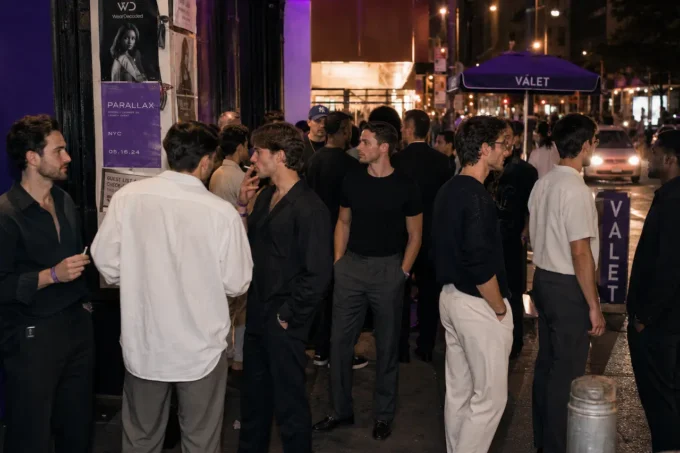
small independent events,
airport conversations between projects,
or collaborators revisiting the same café repeatedly while building something slowly.
Those moments rarely look historically important while they are happening.
But fashion culture often changes through accumulation instead of one dramatic breakthrough.
The Strongest Platforms Usually Stay Open Enough To Evolve
Interesting editorial spaces rarely feel completely finished.
Some sections remain open because the right contributor has not appeared yet. Some ideas need more time before they deserve permanent placement. Some collaborations only make sense after enough shared observation builds stronger context around them.
That unfinishedness can create possibility.
Fashion audiences increasingly move toward platforms that feel alive enough to evolve naturally instead of pretending every direction already became finalized. The internet already contains enough overproduced environments forcing instant certainty everywhere.
Selective openness feels more human.
WearDecoded is growing through that slower perspective — creating room for contributors, creators, photographers, agencies, stylists, writers, and independent brands to shape conversations gradually instead of reducing every interaction into immediate content performance.
Not every important meeting looks important while it is happening.
Creators, photographers, writers, agencies, independent labels, and collaborators interested in thoughtful fashion conversations or future editorial projects can reach out through the WearDecoded Contact Page or email .
Creative collaborations, editorial projects, and fashion industry relationships evolve differently across individuals, brands, and cultural environments over time.

Related Articles
Decoded
Smartphones Changed Fashion Photography
Fashion photography became more believable once cameras stopped feeling distant.
Decoded
Good Styling Changes Perception
People often think they are judging clothes when they are actually judging...
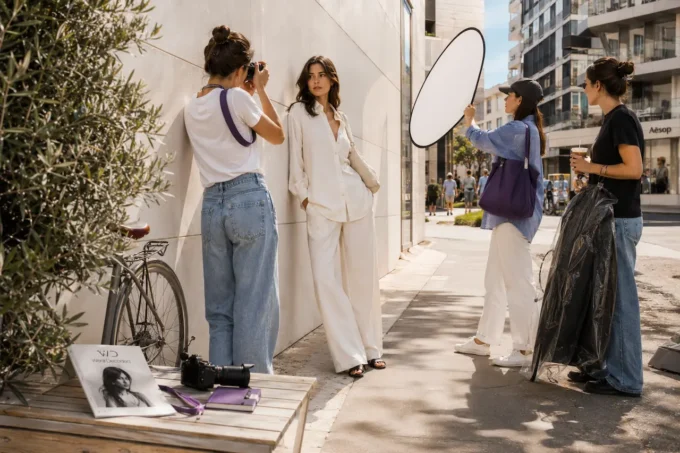
Decoded
Why Outdoor Shoots Feel Better Again
Natural light, real locations, and less controlled environments are quietly changing how...


Leave a comment