No products in the cart.


Deals
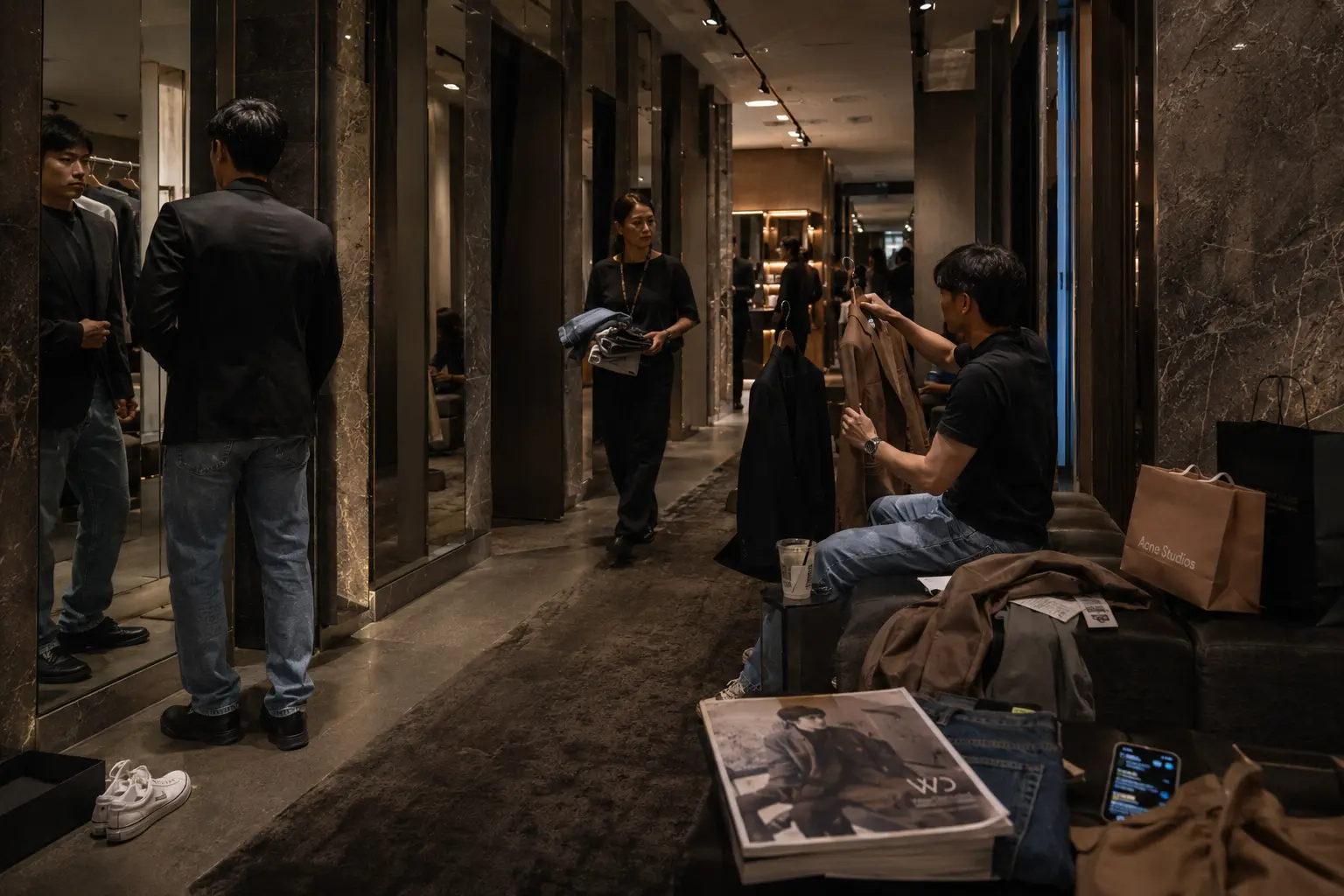
The Fitting Room Matters More
Discounts may trigger the purchase, but fitting rooms usually decide whether the customer actually believes the product.
Share
Large discounts can bring people into stores quickly. A strong campaign can generate excitement online within hours. Influencers can make products feel desirable before customers even touch the fabric physically. But the moment somebody steps into a fitting room, the marketing usually loses control of the conversation.
The product has to speak for itself there.
That shift matters because fitting rooms remain one of the few places in modern retail where consumers slow down long enough to judge clothing honestly. Outside the mirror, everything moves fast: recommendation feeds, limited-time offers, creator videos, aggressive retargeting ads, endless product drops. Inside the fitting room, people quietly start asking different questions.
Does this actually feel comfortable?
Does the fabric justify the price?
Would I wear this outside carefully edited photos?
Does the fit still feel right without the styling tricks?
Those reactions shape repeat business more than many brands admit publicly.
Retailers notice the difference immediately between products that attract attention and products that build trust. Some pieces generate enormous curiosity online but consistently fail once customers try them physically. Others receive less social-media hype but quietly perform well because people leave the fitting room feeling confident instead of uncertain.
That confidence is commercially valuable.
Consumers are becoming more selective because online shopping trained people to recognize how heavily lighting, editing, body positioning, and visual presentation influence perception. A product that looked impressive on a campaign page can suddenly feel average under fitting-room lighting if the construction, cut, or material quality does not support the branding around it.
Strong retail brands understand this already.
The most successful stores are usually not the ones relying only on loud promotions or trend-heavy marketing. They are often the ones creating consistency between digital presentation and physical experience. The customer should not feel tricked once the product reaches real life.
That applies to pricing too.
A heavily discounted product still damages perception if the experience feels disappointing afterward. Consumers may buy once because of urgency or influencer visibility, but long-term trust usually develops through smaller moments:
the way fabric sits naturally,
how mirrors are positioned,
whether the staff feels genuine,
how comfortable people feel moving inside the clothing,
and whether the overall environment supports confidence instead of pressure.
People decide emotionally before they explain it logically.
wearDecoded
Retail psychology is becoming more emotional and more practical at the same time.
People still enjoy aspiration, trend culture, and visually strong campaigns, but they increasingly value products that survive ordinary life beyond the first impression. The fitting room often becomes the space where aspiration either transforms into loyalty or quietly disappears before checkout.
That is partly why physical retail still matters despite the growth of ecommerce. Some buying decisions simply become clearer once people experience products without filters, editing, or algorithmic momentum influencing every reaction.
The strongest retail experiences rarely feel aggressive. They feel believable.
WearDecoded is interested in documenting those quieter intersections between product experience, retail psychology, pricing culture, visual storytelling, and consumer trust because some of the most revealing moments in fashion commerce happen long after the advertisement already succeeded in attracting attention.
Retailers, creators, photographers, independent labels, and contributors exploring how shopping behavior and product experience continue evolving can reach out through the WearDecoded Contact Page or email






Related Articles


Deals
Good Brands Need Better Placement
A strong product inside the wrong environment usually disappears faster than a...

Deals
Amazon great summer sale may 8 2026: what’s worth buying in fashion before stock goes
Amazon's Great Summer Sale starts May 8 and fashion is confirmed at...




Leave a comment