No products in the cart.


Decoded
People Trust Consistency Slowly
Recognition can happen quickly. Trust usually takes much longer.
Share
Most people do not trust a fashion brand immediately, even when they notice it quickly.
Recognition and trust operate differently. A campaign can create visibility within hours. A creator partnership can push a product across social feeds instantly. A brand may suddenly appear everywhere online because the algorithm decided the timing was right. But none of that guarantees people will continue caring once the first wave of attention disappears.
Trust develops more slowly.
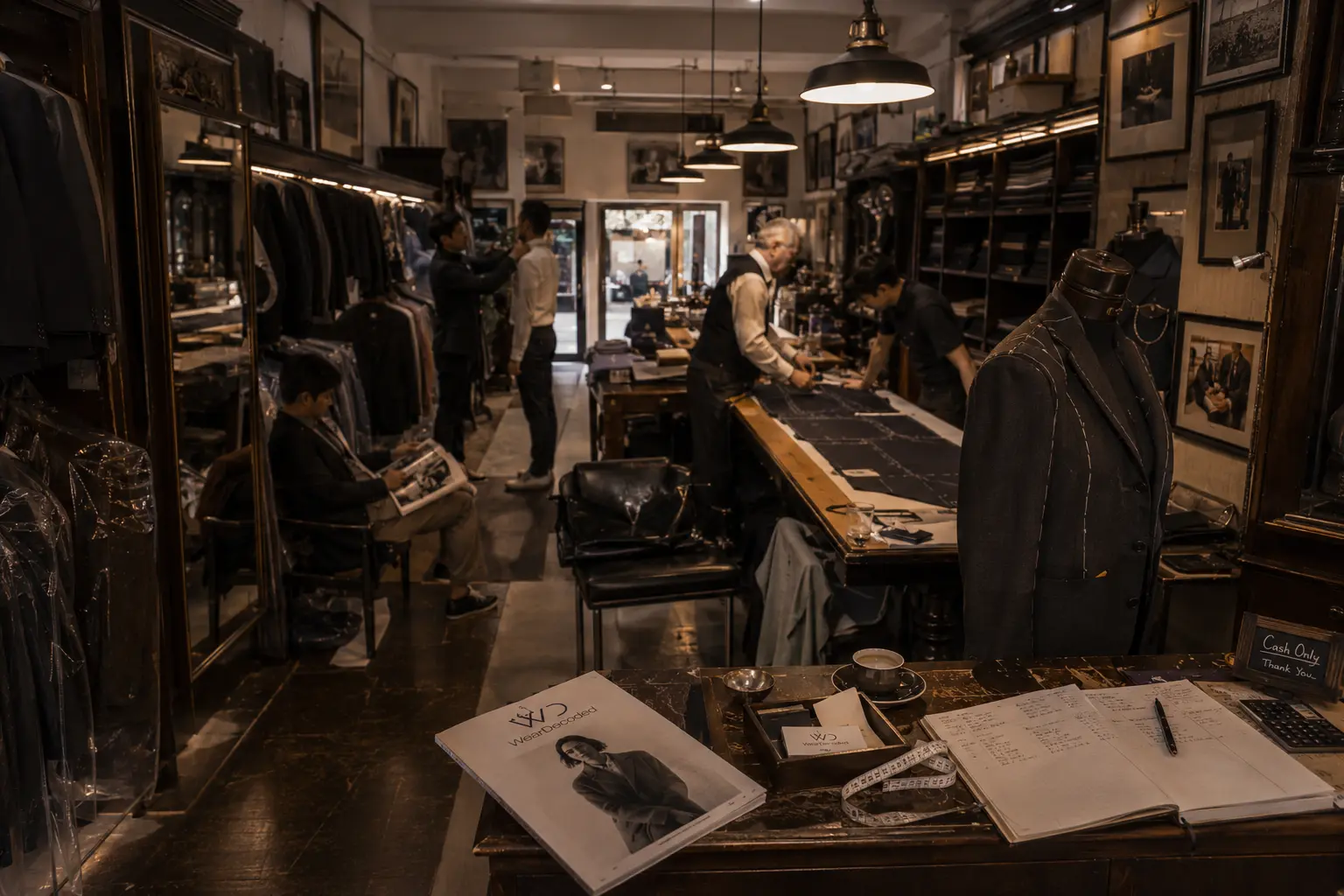
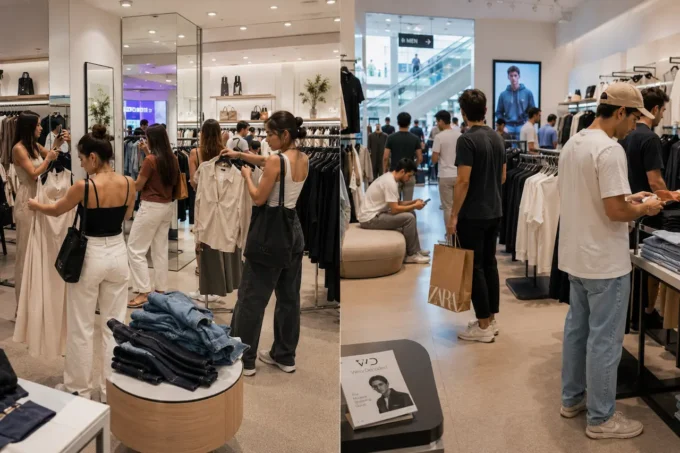
Consumers usually build confidence through repeated experiences that feel emotionally aligned over time. The tone stays consistent. Product quality feels reliable. Campaigns belong to the same visual world. Retail environments reflect the same identity presented online. Even small details — packaging, photography, customer interaction, pacing, typography, or fabric choice — begin reinforcing familiarity gradually.
That repetition matters more than many brands admit publicly.
Trust usually forms through repetition, not announcements.
WearDecoded
Audiences Became Better At Detecting Performance
Digital culture trained people to recognize when branding feels temporary or overly engineered for reaction.
Consumers now move through environments overloaded with trend forecasting, creator collaborations, algorithmic recommendations, limited-time campaigns, and visual identities changing constantly to match internet behavior. Most of it creates short-term visibility but very little emotional memory because the identity underneath never stays stable long enough for attachment to form naturally.
People notice inconsistency quickly.
A brand promoting minimalism one month and chasing every viral aesthetic the next usually weakens trust without realizing it immediately. Audiences may still engage with the content temporarily, but repeated contradiction slowly damages recognition because consumers stop understanding what the brand actually believes about itself.
Consistency creates emotional clarity.
That does not mean creative work should remain static forever. Interesting brands evolve constantly. But the strongest identities usually evolve gradually enough that audiences can still recognize the core perspective underneath the changes.
Strong Platforms Usually Build Trust QuietlyMany respected fashion platforms originally grew through repetition rather than explosive visibility.
Readers returned because the atmosphere felt familiar.
Creators recognized the visual discipline.
Contributors understood the tone naturally.
Brands noticed the placement felt intentional instead of overcrowded.
Over time, that consistency became identity.
The same pattern applies across retail spaces, independent labels, creator ecosystems, editorial platforms, and even smaller fashion communities online. Trust usually forms when people repeatedly experience the same emotional coherence across different interactions instead of feeling manipulated by constantly shifting presentation.
That process is slower than virality.
But usually more durable.
Long-Term Recognition Requires Patience
The internet encourages brands and publications to behave as if immediate scale matters more than gradual loyalty. But many culturally important fashion spaces developed slowly before becoming widely recognized publicly.
Some remained visually restrained while refining their identity.
Some allowed contributors and collaborators to shape direction naturally over time.
Some intentionally stayed selective rather than expanding aggressively before the foundation became clear.
Patience often protects perception.
Audiences increasingly appreciate environments that feel stable enough to trust instead of constantly rebuilding themselves around whatever trend cycle currently dominates online visibility. That trust becomes commercially valuable later because people return more easily to platforms and brands that already feel emotionally familiar.
The strongest fashion identities usually become trusted quietly before they become widely recognized.
Trust rarely forms through announcements alone. It forms through repeated experience convincing people the identity remains real even after the excitement fades.
Creators, contributors, independent labels, photographers, and brands interested in thoughtful editorial environments or long-term cultural positioning can reach out through the WearDecoded Contact Page or email .
Brand perception, audience trust, and consumer behavior evolve differently across industries, platforms, and cultural environments over time.





Related Articles
Decoded
The Cafés Where Projects Begin
Some of the most important fashion collaborations begin long before they look...
Decoded
Smartphones Changed Fashion Photography
Fashion photography became more believable once cameras stopped feeling distant.

Decoded
Good Styling Changes Perception
People often think they are judging clothes when they are actually judging...




Leave a comment