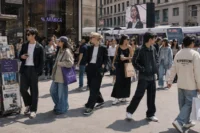
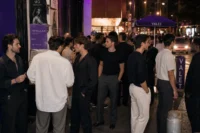
The fashion industry often talks about reach as if visibility alone automatically creates importance.
It rarely does.
Many brands attract attention briefly without creating any lasting memory because visibility and recognition are not the same thing. People may scroll past a campaign, notice it for a few seconds, and completely forget it by the next day. The more influential work usually spreads differently. It reaches smaller groups first, builds familiarity gradually, and gains cultural weight through repetition, trust, and emotional alignment over time.
Fashion relevance usually develops more slowly than internet metrics suggest.
Being seen by everyone is usually less valuable than being remembered by the right people.
wearDecoded
The Right Audience Matters More Than Maximum Reach
Being seen by everyone is often less valuable than being remembered by the right people.
A smaller audience genuinely interested in fashion culture, design language, creators, retail environments, visual identity, and editorial storytelling can create stronger long-term influence than massive exposure without emotional connection underneath it.
That difference matters more now because audiences became increasingly selective about where they spend attention.
People notice when a platform feels visually coherent.
They notice when creators repeat recognizable styling naturally.
They notice when campaigns feel culturally aware instead of aggressively optimized for reaction.
Fashion audiences became more visually literate after years of constant content exposure.
That literacy changed how trust forms online.
Attention Became More Expensive Emotionally
The internet made visibility technically easier while making meaningful attention harder to keep.
Fashion consumers now move through endless feeds filled with collaborations, launch campaigns, trend forecasts, creator partnerships, advertisements, and algorithmically optimized content competing for immediate reaction constantly. Most of it disappears emotionally within seconds because the audience already expects interruption everywhere online.
Louder visibility often creates shorter memory.
That is partly why quieter editorial spaces, selective creators, restrained branding, and slower publishing environments increasingly stand out. They create breathing room instead of demanding constant engagement.
People spend longer inside spaces that feel intentional.
Not because the content moves slower technically, but because the atmosphere feels more considered. Visual pacing, typography, image selection, layout restraint, and consistent tone all shape perception long before audiences consciously explain why a platform feels trustworthy or memorable.
Fashion Culture Still Rewards Consistency
Many influential fashion platforms originally grew quietly.
A recognizable tone.
Repeated visual discipline.
Thoughtful placement.
Consistent observation.
Selective collaborations.
Those qualities often build stronger long-term cultural positioning than aggressively chasing every trend cycle immediately.
Fashion still rewards environments that understand themselves clearly.
That does not mean platforms should remain static. Interesting editorial spaces evolve constantly through contributors, creators, partnerships, campaigns, observations, and changing industry conversations. But growth usually feels stronger when it develops naturally instead of forcing every possible direction simultaneously.
Some unfinishedness creates possibility.
A placeholder today may later become the most culturally interesting section of a platform once the right collaboration, contributor, or idea arrives naturally.
Relevance Often Looks Quieter At First
Many important shifts inside fashion culture begin before public recognition fully catches up.
Smaller creator communities notice them first.
Independent stylists reference them quietly.
Retail buyers pay attention privately.
Photographers document them before campaigns exist.
Editorial conversations begin underneath larger trend cycles.
Influence usually spreads before visibility peaks publicly.
WearDecoded is being developed through that slower editorial perspective — focusing less on constant noise and more on building an environment where stronger observations, contributors, collaborations, and fashion conversations can evolve with enough space to remain culturally meaningful over time.
Not every platform needs to feel loud to feel relevant.
Fashion audience behavior, digital attention patterns, and cultural influence continue evolving across platforms, industries, and communities over time.


Leave a comment