The fashion industry rarely announces what it is paying attention to immediately.
Buyers notice emerging labels months before orders happen publicly. Agencies quietly monitor creators long before partnership emails arrive. Retail teams observe how people move through stores without explaining what they are learning. Even fashion publications often get evaluated silently before collaborations, sponsorships, or recognition ever become visible online.
A lot of fashion attention happens privately first.
That slower layer of observation matters more than most visible metrics suggest.
Influence usually spreads before recognition catches up.
WearDecoded
Recognition Usually Comes Late
Modern internet culture creates the illusion that visibility happens instantly.
A creator suddenly “blows up.” A label suddenly becomes relevant. A publication suddenly starts appearing everywhere.
But most of the time the industry noticed much earlier.
People were already watching the consistency. The visual identity. The repeated styling. The audience behavior. The atmosphere surrounding the work.
Fashion still operates heavily through repeated exposure and gradual trust rather than one viral moment changing everything overnight.
The strongest platforms usually grow quietly before they grow publicly.
The Industry Studies Behavior Constantly
Fashion culture runs heavily on observation.
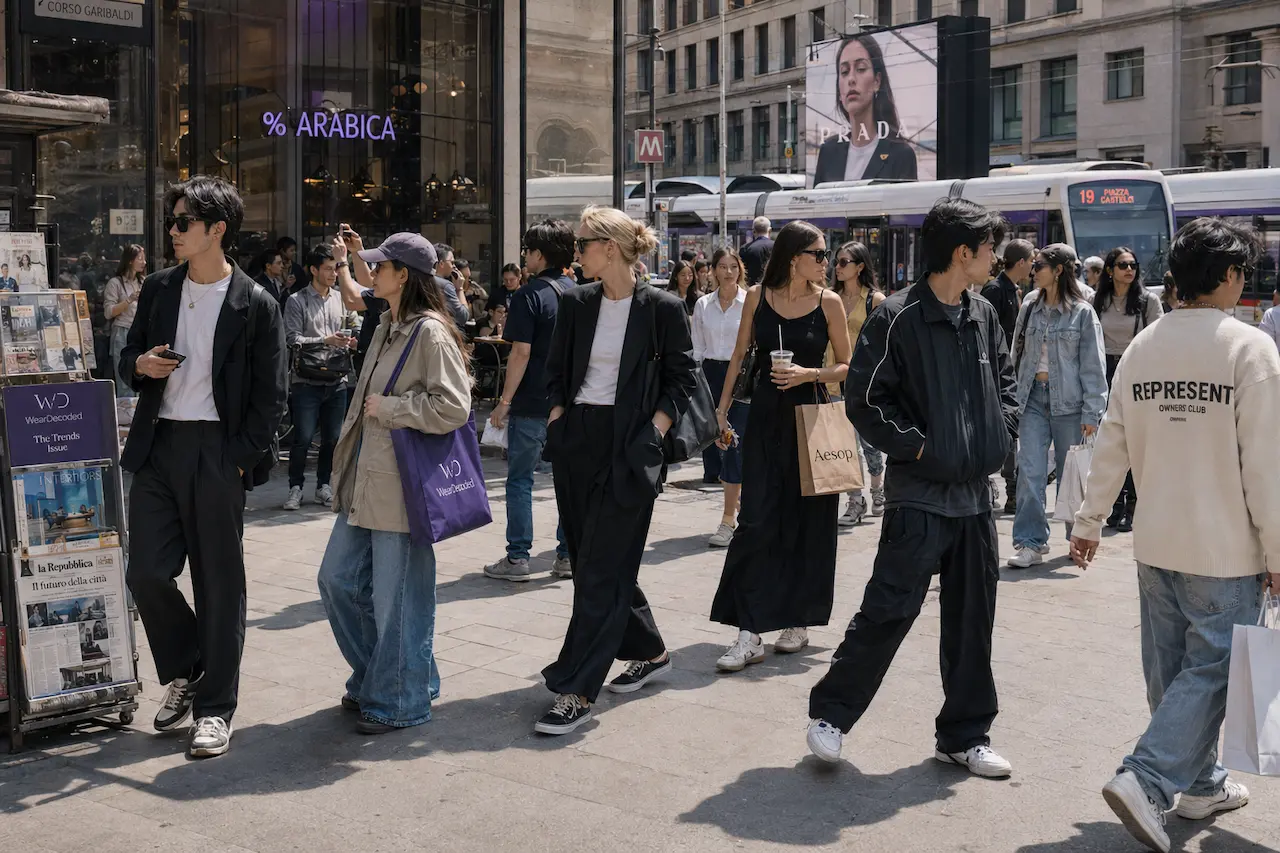
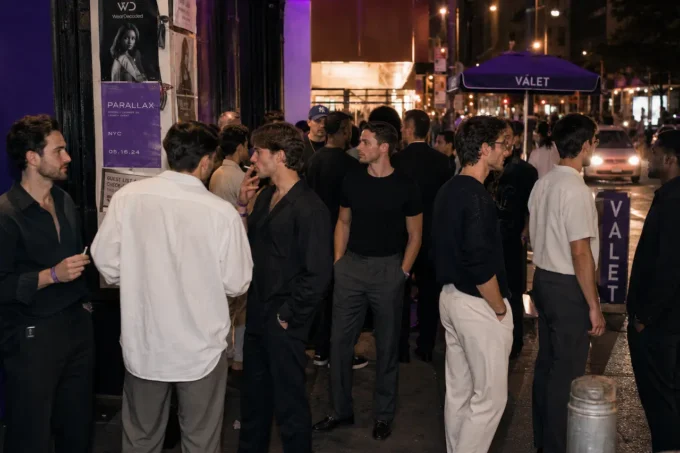
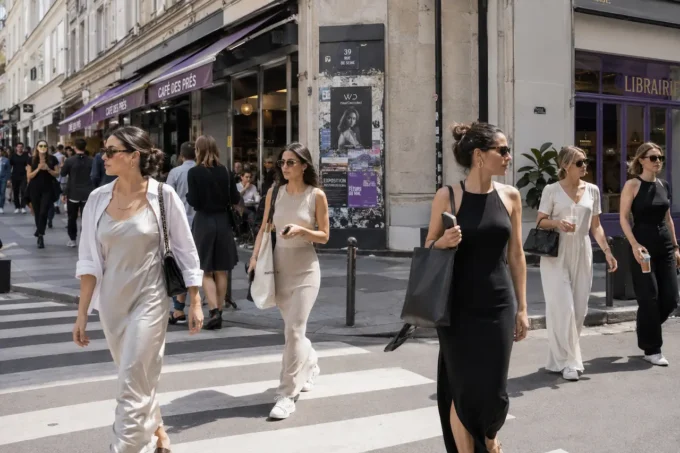
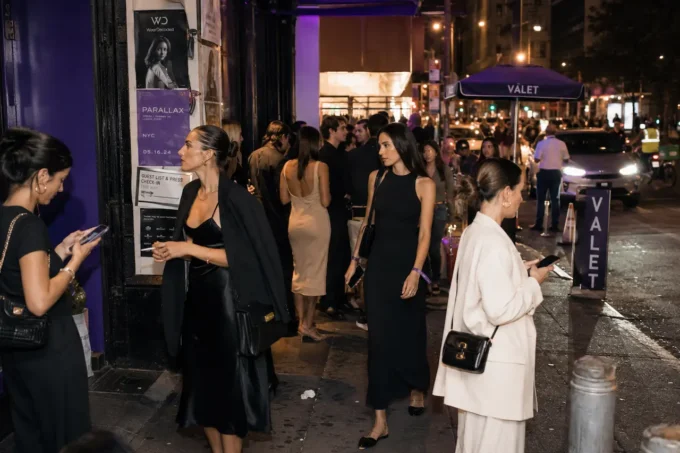
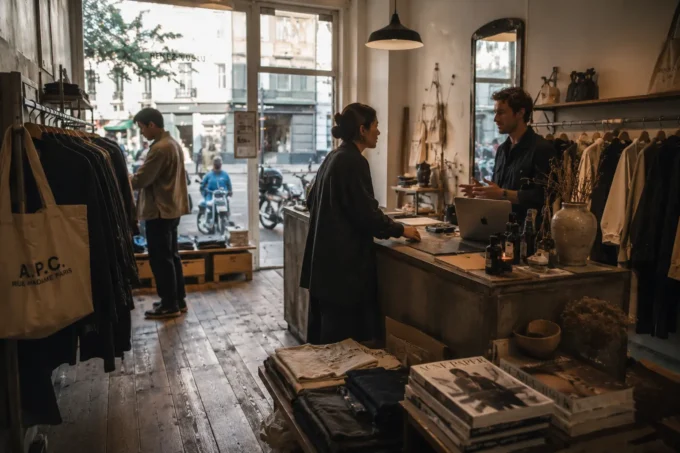
Retailers study where people stop walking inside stores. Brands monitor which creators repeatedly appear in saved folders. Editors notice who keeps getting reposted organically. Event organizers pay attention to who attracts photographers outside venues before official coverage even begins.
The signals are often subtle.
Someone consistently wearing a label naturally across months sometimes matters more than one massive campaign. A smaller publication building recognizable tone slowly can become more influential long-term than aggressive content volume chasing short-term attention.
People inside the industry notice coherence quickly.
That is partly why perception matters so much in fashion. Not fake perception. Cultural consistency. The feeling that a creator, platform, brand, or environment understands itself clearly over time instead of changing direction every week chasing visibility.
Trust builds slowly in fashion.
Then suddenly everyone acts like the success appeared overnight.
The Internet Made Quiet Influence Stronger
Social media accelerated fashion visibility, but it also made quieter influence more important.
Audiences now recognize forced hype faster than before. Over-marketed brands often create fatigue quickly. Endless collaborations, aggressive trend chasing, and repetitive campaigns can generate temporary visibility while quietly weakening long-term perception.
People notice when attention feels artificial.
At the same time, slower platforms with stronger observation, visual restraint, recognizable tone, and cultural consistency increasingly stand out because they feel calmer inside an overcrowded internet.
That applies to creators too.
The people building stronger long-term influence now are often not the loudest online. They are usually the ones creating recognizable environments repeatedly. Consistent taste. Repeatable styling. Believable routines. Thoughtful pacing. Stronger atmosphere.
Influence often spreads before recognition catches up publicly.
Fashion Platforms Rarely Feel Finished Early
The strongest fashion spaces usually evolve gradually.
Some pages remain unfinished. Some categories shift direction. Some collaborations appear unexpectedly months later. Some ideas take time before they make cultural sense fully.
That slower development process is normal.
Fashion environments that feel overly complete too early sometimes leave no room for growth, experimentation, contributor energy, or changing cultural behavior. The most interesting platforms usually sharpen identity over time through repetition, observation, collaboration, and audience trust.
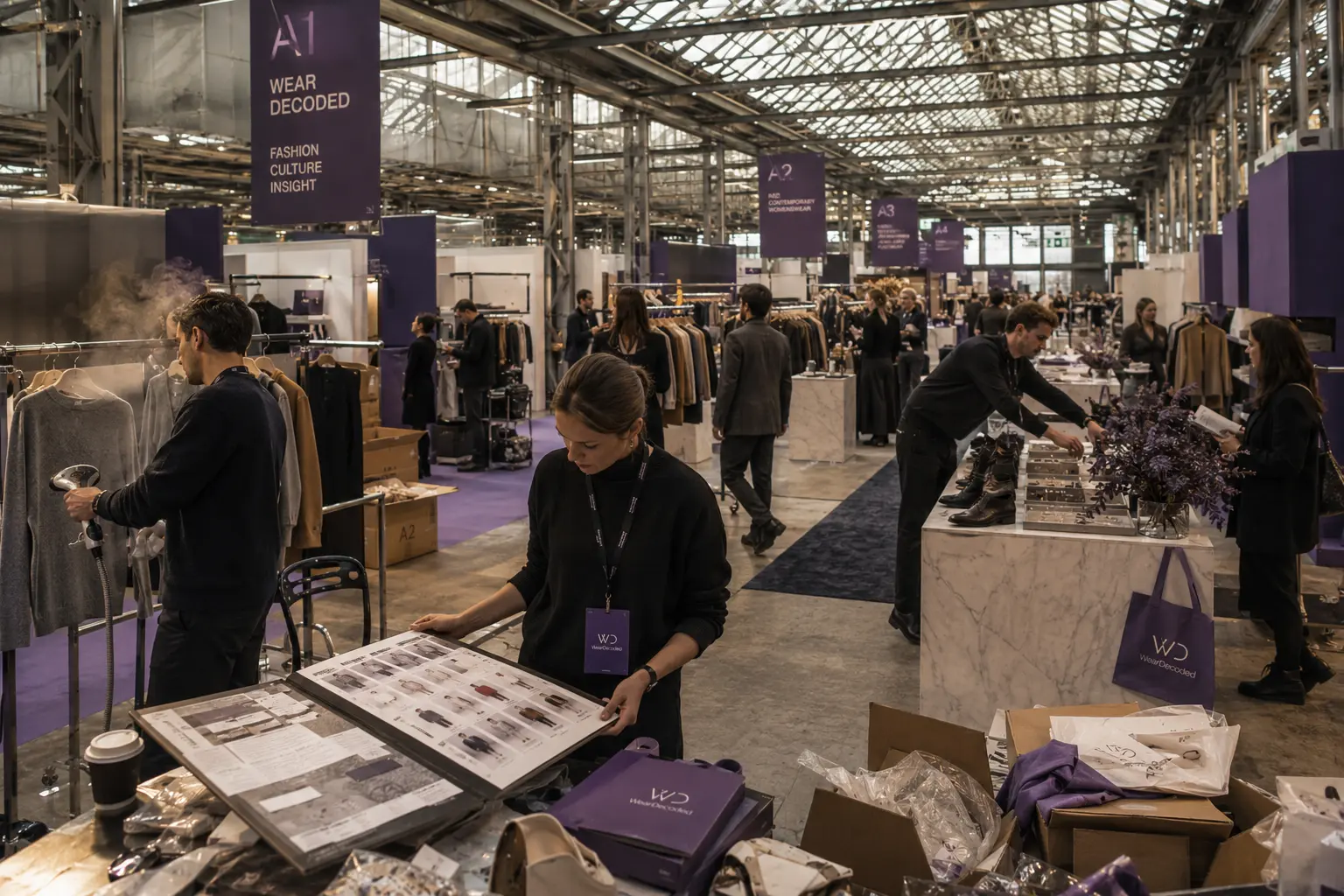
WearDecoded is intentionally evolving through that perspective. The platform will continue growing through creators, contributors, fashion culture, retail observation, visual storytelling, and changing industry conversations instead of pretending every direction already arrived fully resolved.
People, creators, brands, agencies, studios, photographers, and contributors interested in collaborating or sharing ideas can reach out through the Contact page or email .
Information in this post is accurate at the time of writing but may change over time. Always verify details independently when needed.








Leave a comment