No products in the cart.


Trending
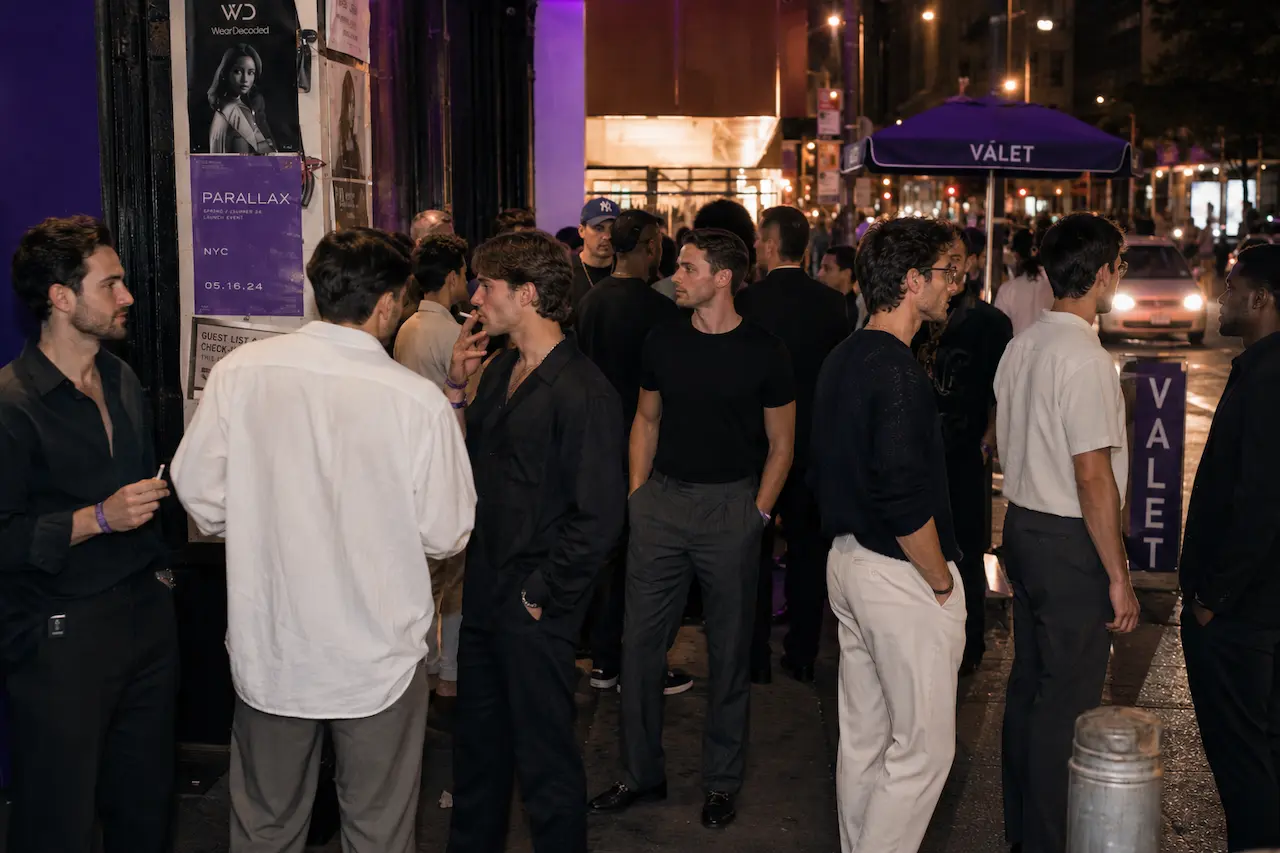
Men Stopped Dressing Loud At Events
Menswear at fashion events is becoming quieter, sharper, and noticeably less performative.
Share
Men’s fashion event dressing has become noticeably quieter recently.stry events right now, the best-dressed men often look like they barely tried at all.
The oversized logos, aggressively layered streetwear fits, and heavily curated “fashion guy” uniforms that dominated previous years are slowly losing ground to something more restrained. At many industry events right now, the best-dressed men often look like they barely tried at all.
That is partly why the shift feels more believable.
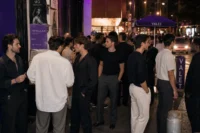
Relaxed tailoring is replacing stiff occasion wear. Boxy black shirts worn half-buttoned. Loose trousers paired with clean sneakers. Minimal monochrome outfits softened through texture instead of loud accessories. Lightweight jackets carried casually over shoulders after midnight instead of carefully styled for photographs from the beginning of the evening.
The goal no longer feels like becoming the loudest person photographed near the entrance.
Most stylish men at events now look intentionally underdressed.
wearDecoded
Event Menswear Became More Relaxed
Fashion events themselves changed over the last few years.
A single evening may now move between:
a showroom launch,
a rooftop gathering,
a creator dinner,
a gallery event,
and an after-party spread across different locations.
That movement changed how men dress.
Outfits increasingly need to survive multiple environments comfortably without looking theatrical after several hours. Overly structured tailoring, heavy layering, and obvious statement dressing often feel too rigid for spaces that now blend nightlife, networking, social media, and fashion culture together more casually.
The most stylish men at events now often look intentionally underdressed.
That does not mean careless. The styling is usually extremely controlled underneath the simplicity:
better fabric,
cleaner silhouettes,
stronger proportions,
subtle tailoring,
and calmer color palettes replacing louder trend-driven styling decisions.
Quiet Menswear Became More Influential
The shift toward restrained menswear is appearing across both fashion media and creator culture.
According to Vogue’s 2026 menswear influence report, modern menswear creators are moving away from loud “fit-pic” culture toward more wearable styling, real-life dressing, and understated presentation. Similar movements toward refined tailoring and relaxed elegance were also visible during Australian Fashion Week 2026 coverage, where softer tailoring, flowing silhouettes, and lighter construction increasingly replaced more rigid fashion styling.
The internet also changed how men interpret style publicly.
Earlier menswear trends rewarded visibility aggressively:
designer logos,
stacked accessories,
rare sneakers,
hyper-layering,
and outfits built mainly around attention.
Now, many men seem more interested in clothing that feels repeatable enough to exist naturally outside event photography.
The Best Event Fits Often Feel Effortless
Interesting menswear right now rarely looks overworked.
Someone arrives wearing:
a perfectly cut black shirt,
wide charcoal trousers,
soft leather shoes,
and nothing else demanding attention aggressively.
That simplicity photographs differently.
The outfit survives across:
bright flash photography,
rooftop lighting,
hotel lobbies,
street photos,
and social media uploads without looking visually exhausting afterward.
The restraint itself became stylish.
That shift also reflects broader audience fatigue around fashion that appears overly engineered for content creation alone. People still appreciate aspirational dressing, but increasingly respond more strongly to clothing that feels wearable enough to move through real life comfortably.
The styling became calmer.
The silhouettes became looser.
The confidence became quieter.
Menswear Is Becoming More Observational Again
Many current menswear trends are borrowing from older tailoring philosophies built around comfort and movement instead of rigid presentation. Lighter construction, softer shoulders, relaxed silhouettes, and minimal layering all reflect a broader movement away from heavily performative dressing.
Fashion audiences now notice proportion and fabric before logos.
That subtlety matters because understated dressing often creates stronger long-term style identity than aggressively trend-driven outfits that disappear once the internet moves toward the next cycle.
WearDecoded is interested in documenting those quieter menswear transitions before they become fully overexposed trend content because many influential style shifts begin gradually through repeated real-world visibility long before official trend reports describe them publicly.
Stylists, photographers, designers, creators, brands, and contributors documenting evolving menswear culture or modern event dressing can reach out through the WearDecoded Contact Page or email .
Fashion trends, menswear preferences, and event dressing styles vary across regions, audiences, brands, and cultural environments over time.
Related Articles
Trending
You Forgot an Outfit. Bangalore Will Fix It in 30 Minutes.
Every app delivering clothes fast in Bangalore — Zepto, Blinkit, Myntra M-Now,...
Trending
The Dress Style Influencers are Wearing Right Now
The biggest influencer dress trend right now feels quieter, softer, and far...
Trending
The Outfit Changes After 7PM
Night events expose which outfits were styled for real evenings and which...
Trending
Some Stores Feel More Honest
People often trust a fashion store emotionally before they trust the products...


Leave a comment