No products in the cart.


Decoded
Some Campaigns Age Better
The strongest fashion campaigns usually become more interesting after the hype disappears.
Share
some fashion campaigns disappear the same week they launch.
Others remain visually recognizable for years without needing constant reposting, trend recycling, or aggressive explanation. The difference rarely comes from budget alone. It usually comes from creative direction that understands timing, atmosphere, cultural placement, and emotional memory more deeply than temporary internet attention cycles.
Good campaigns survive beyond reaction.
Fashion advertising now competes inside an environment overloaded with images, collaborations, short-form videos, creator partnerships, trend predictions, and endless scrolling behavior. Most campaigns are designed to interrupt attention quickly because brands fear disappearing from public conversation even briefly.
But visibility alone rarely creates memory.
People remember the feeling long after they forget the slogan.
wearDecoded
Campaigns Last Longer When They Feel Emotionally Clear
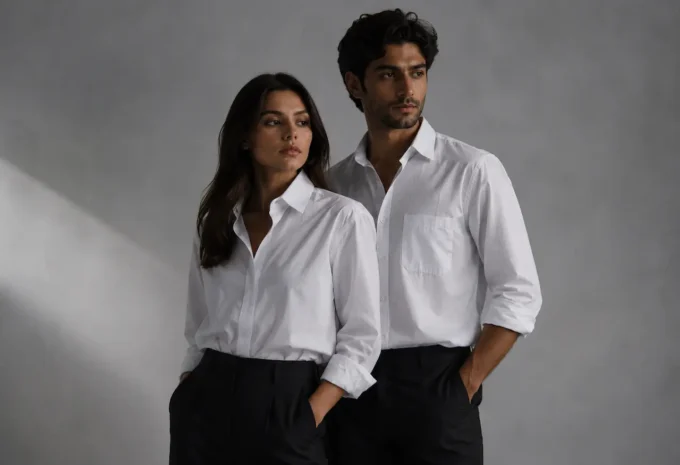
People usually remember atmosphere before slogans.
- The lighting.
- The soundtrack.
- The pacing.
- The casting.
- The location.
- The emotional tone surrounding the clothing.
Strong campaigns often succeed because they create a recognizable feeling rather than trying to explain every idea aggressively through marketing language. Audiences emotionally process visual environments much faster than strategy statements.
That emotional clarity tends to age better.
Some campaigns become culturally memorable because they captured a mood people continued recognizing years later. Others disappear quickly because they depended entirely on temporary internet excitement without creating any deeper visual identity underneath the launch moment itself.
Fashion audiences notice that difference more now.
The Internet Made Campaigns Faster And Shorter
Digital culture accelerated campaign lifecycles aggressively.
- A collection launches.
- Creators repost it.
- Clips circulate online.
- Trend accounts repeat the imagery.
- People discuss it briefly.
- Then public attention moves somewhere else within days.
That speed changed how brands approach visibility, but it also created fatigue. Audiences now scroll through so much polished content daily that overly engineered campaigns often start blending together emotionally.
Perfect production no longer guarantees cultural impact.
In many cases, quieter campaigns now stand out more because they leave room for interpretation instead of overwhelming audiences immediately with messaging, collaborations, and forced virality.
Restraint became visually valuable again.
Fashion Still Rewards Consistency
The campaigns that age best usually understand their own identity clearly.
They do not chase every aesthetic shift online.
They do not rebuild themselves around every algorithmic trend.
They maintain recognizable tone, pacing, colour language, styling, and emotional consistency over time.
That consistency builds trust gradually.
Fashion culture still responds strongly to repetition when it feels intentional instead of repetitive. A recognizable visual world often becomes more valuable long-term than endlessly changing direction trying to capture temporary relevance every few weeks.
People remember environments that feel coherent.
That applies to fashion media too.
Platforms overloaded with constant output often become emotionally forgettable despite publishing aggressively. Meanwhile slower editorial spaces sometimes create stronger loyalty because readers begin associating them with a certain atmosphere, rhythm, perspective, or visual calmness missing elsewhere online.
Not every relevant platform needs to behave like an endless notification feed.
Some Ideas Need Time Before They Fully Work
Fashion culture moves quickly publicly but more slowly underneath.
Some campaigns become appreciated months later.
Some creator aesthetics only make sense after repetition.
Some editorial identities sharpen gradually instead of arriving fully formed immediately.
That slower process matters.
Interesting creative work often needs enough space to mature before being optimized aggressively for performance metrics, engagement spikes, or algorithmic visibility. Audiences increasingly recognize when something feels carefully observed versus rapidly manufactured for attention.
People usually remember the feeling long after they forget the slogan.
WearDecoded is interested in documenting those slower conversations around fashion media, creative direction, visual identity, campaigns, retail environments, creators, and modern consumer attention as the platform continues evolving over time.
Fashion campaigns, advertising trends, and consumer attention patterns continue evolving across platforms, audiences, and creative industries over time.




Related Articles
Decoded
The Cafés Where Projects Begin
Some of the most important fashion collaborations begin long before they look...
Decoded
Smartphones Changed Fashion Photography
Fashion photography became more believable once cameras stopped feeling distant.
Decoded
Good Styling Changes Perception
People often think they are judging clothes when they are actually judging...


Leave a comment