people rarely stop inside a fashion store and consciously say.
“The typography spacing feels right.”
Or:
“The lighting temperature makes this place feel calmer.”
But they notice those things anyway.
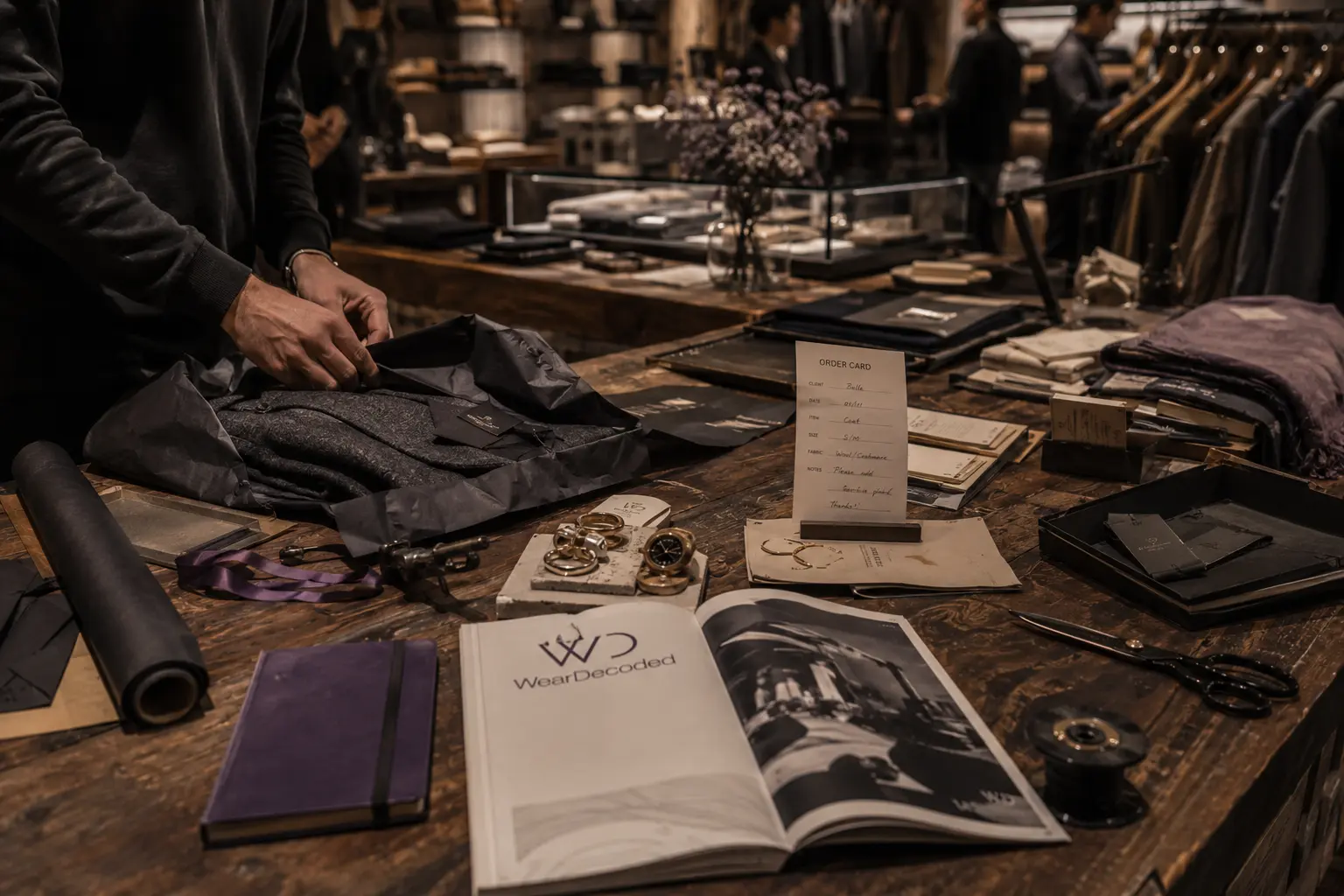
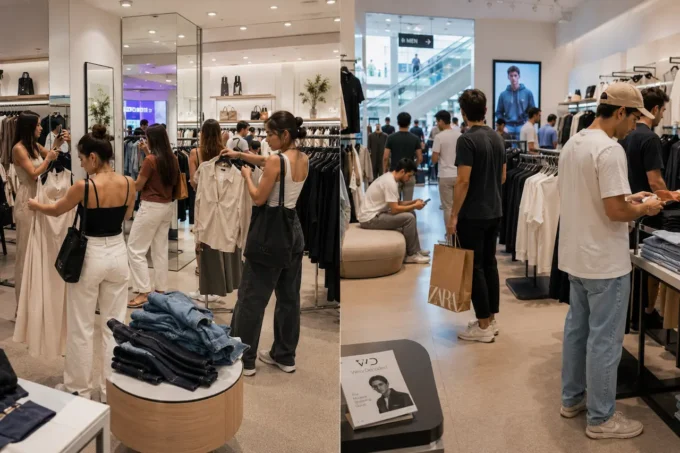
Most reactions to fashion spaces happen instinctively through smaller details operating quietly in the background. The texture of packaging. The softness of lighting against fabric. The weight of a shopping bag. The way garments are folded instead of overcrowded on racks. Even the pace of music inside a room changes how people experience the space emotionally.
Small details usually decide whether something feels considered.
That sensitivity became stronger because modern audiences spend so much time moving through highly visual environments every day. People may not always explain why they trust one brand, café, showroom, or retail space more than another, but visual coherence affects memory quickly.
A space feels calmer.
A product feels more expensive.
A campaign feels believable.
A store feels easier to remain inside longer.
The details create those reactions before logic does.
Small details usually decide whether something feels considered.
WearDecoded
Fashion Spaces Are Judged Faster Now
The internet trained people to scan environments extremely quickly.
Consumers notice: messy layouts, harsh lighting, cheap packaging, overdesigned branding, awkward product spacing, and visual inconsistency almost immediately — even if they never describe it directly afterward.
That applies online too.
A clean product photograph feels different from an overedited one. Softer textures photograph differently than harsh synthetic materials. Simple styling often creates more trust than visuals overloaded with unnecessary details trying too aggressively to look luxurious.
Restraint became part of good design.
That is partly why many modern fashion spaces now lean toward calmer layouts, quieter branding, neutral palettes, softer textures, and more natural lighting instead of environments constantly competing for attention from every direction.
Details Shape Emotional Memory
People usually remember how a place felt before they remember every product inside it.
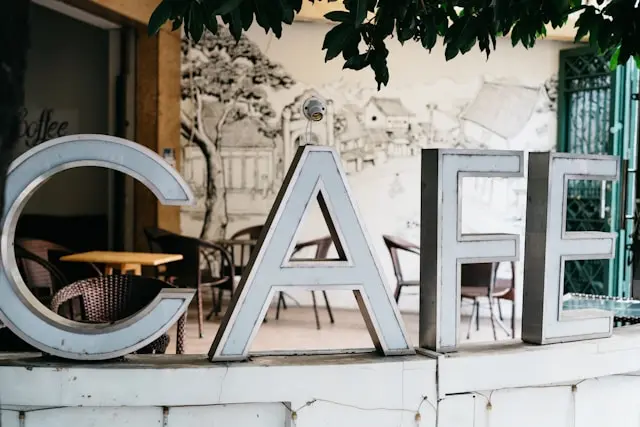
The café beside the showroom. The scent near the entrance. The way sunlight moved through the space during late afternoon. The sound system playing quietly in the background. The packaging left on a hotel desk after an event.
Those smaller moments build emotional memory slowly.
Interesting brands understand this already. Good presentation is not only about aesthetics. It changes how people physically move through environments, how long they stay, and whether the experience feels believable enough to remember later.
Consumers became extremely sensitive to effort that feels fake.
Overly polished branding sometimes creates distance instead of trust because people increasingly prefer environments that still feel human underneath the visual discipline. Small imperfections, thoughtful textures, natural movement, and restrained styling often create stronger emotional connection than spaces designed only for immediate social-media visibility.
Fashion Culture Became More Observational
Modern fashion audiences notice more than brands assume.
They notice: fabric quality, lighting choices, store pacing, music selection, mirror placement, visual clutter, website rhythm, and whether a brand feels emotionally consistent across different environments.
Those observations happen quietly, but they influence perception constantly.
Not every important fashion conversation begins with the clothing itself.
WearDecoded is interested in documenting those slower observations across fashion media, retail environments, visual identity, consumer psychology, and creative direction because the smallest details often shape trust long before people consciously realize it.
Photographers, creative directors, visual merchandisers, designers, retailers, and contributors exploring thoughtful fashion presentation or visual culture can reach out through the WearDecoded Contact Page or email .








Leave a comment