Events no longer affect only runways, designers, and guest lists.
For a few days at a time, entire parts of a city begin moving differently.
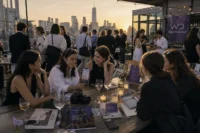
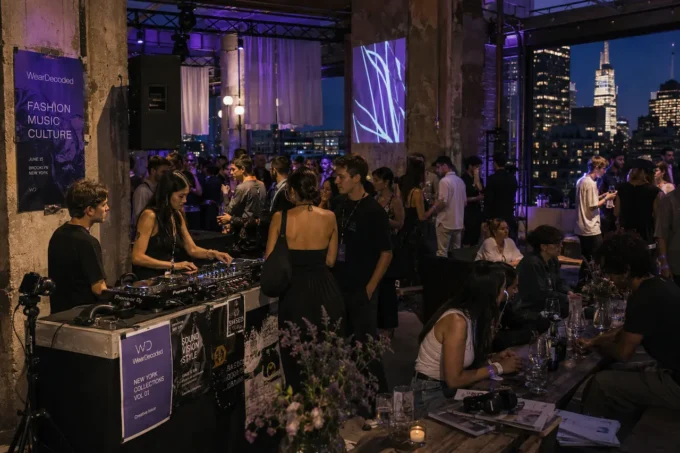
Hotel prices rise almost overnight. Rooftop reservations disappear. Luxury SUVs line hotel entrances before breakfast. Airport arrivals shift. Restaurants stay full between meetings. Buyers sit inside cafés reviewing lookbooks while creators move between fittings, dinners, launches, and after-parties spread across different neighborhoods.
The event quietly reshapes the city long before most people even notice it happening.
Fashion crowds affect cities long before most people notice the event itself.
WearDecoded
Hotels Feel Fashion Week First
The hospitality industry understands fashion crowds extremely well.
During major fashion weeks, creator summits, luxury launches, trade fairs, and brand activations, hotels begin adjusting almost immediately because the audience arriving behaves differently from traditional tourists. Fashion travelers move constantly between locations, book late, spend quickly, prioritize proximity over sightseeing, and often treat hotels as working environments instead of simple accommodation.
That changes pricing fast.
According to Fashion Week Online’s economic report on major fashion cities, New York hotel prices can rise more than 50% during fashion week periods because of increased demand from buyers, media teams, creators, brands, stylists, and international visitors arriving simultaneously.
Hotels closest to event districts usually feel the pressure first.
.
Fashion Events Changed What Hotels Represent
Hotels themselves also changed culturally during fashion week.
A hotel lobby may now function simultaneously as: a networking space, a creator backdrop, a PR meeting point, a temporary showroom, a styling room, a nightlife venue, and a content-production environment.
Elevators become mirror-photo locations. Rooftop bars become networking spaces. Suites turn into fitting rooms filled with garment bags, photographers, makeup teams, and last-minute schedule changes before events even begin.
The hotel became part of the fashion ecosystem itself.
That overlap keeps growing because fashion, hospitality, nightlife, and creator culture now operate inside the same visibility economy. People no longer attend events only for collections or runway shows. They attend for: relationships, content, visibility, social positioning, and the experience surrounding the event itself.
Entire Neighborhoods Begin Moving Differently
The economic impact extends beyond hotels too.
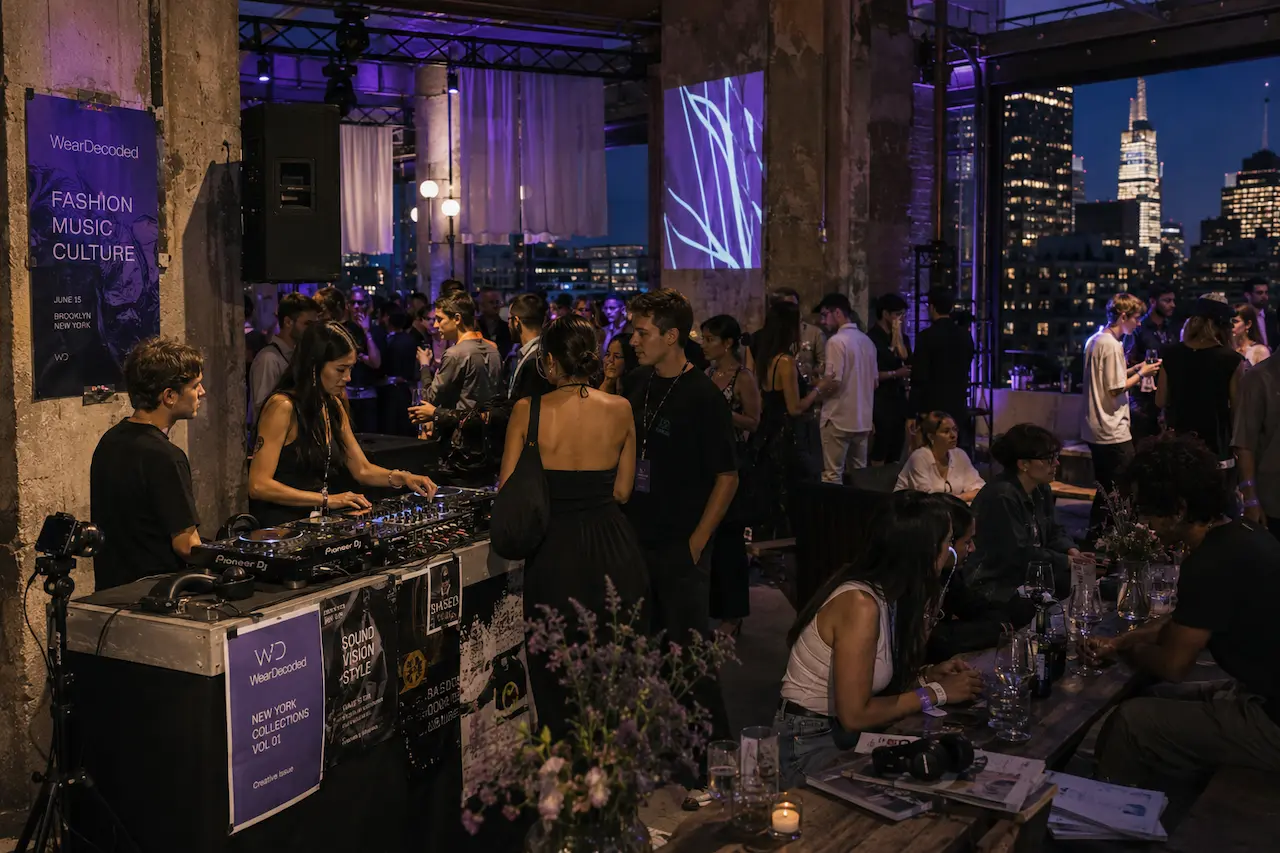
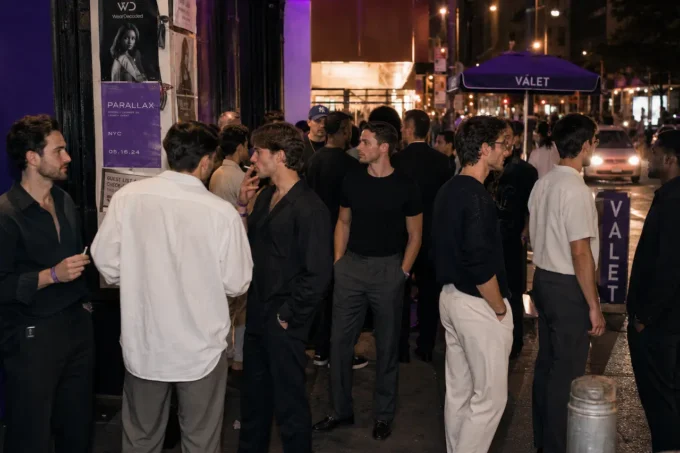
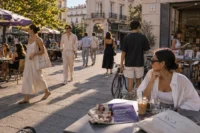
Restaurants become fully booked. Ride demand increases sharply. Short-term rentals disappear. Independent cafés fill with fashion teams working between appointments. Late-night venues suddenly attract international crowds that normally would not exist there.
Fashion weeks temporarily create entirely different city rhythms.
Research around the economic impact of fashion weeks on host cities shows that hospitality, retail, transportation, tourism, nightlife, and local service industries all experience measurable shifts during major fashion events because fashion audiences generate unusually concentrated spending within short periods of time.
The visual atmosphere changes too.
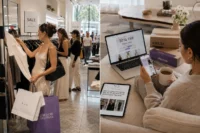
Garment racks move through hotel entrances. Street photographers wait outside venues. Black cars queue beside boutique hotels. Conversations about fittings, campaigns, guest lists, and collections suddenly become part of ordinary café noise for a week before disappearing again.
Fashion Weeks Became Temporary City Ecosystems
Fashion events increasingly operate like temporary cultural ecosystems rather than isolated industry gatherings.
Hotels adapt. Nightlife adapts. Retail adapts. Restaurants adapt. Creators adapt. Even local traffic patterns begin adjusting around event schedules.
That influence keeps growing because fashion events now attract far more than buyers and editors alone. The audience includes: creators, stylists, photographers, founders, agency teams, influencers, hospitality partners, content crews, and brand collaborators all moving through the same city simultaneously.
Fashion crowds affect cities long before most people notice the runway itself.
WearDecoded is interested in documenting how fashion events increasingly reshape hospitality culture, travel behavior, nightlife, creator ecosystems, and urban identity because modern fashion weeks now influence entire cities, not only the venues hosting the shows.
Photographers, event organizers, creators, hospitality teams, brands, and contributors documenting evolving fashion cities or event culture can reach out through the WearDecoded Contact Page or email .





Leave a comment