Not every weak-performing fashion campaign fails because the idea itself lacked quality. Sometimes the problem is placement.
A strong visual concept shown inside the wrong environment can immediately feel disposable, while a quieter campaign presented with the right timing, audience, and editorial framing may suddenly appear far more culturally significant than the budget behind it would normally suggest. Context changes perception constantly, especially in industries built around image, atmosphere, and emotional association.
Placement still shapes value more than many brands openly acknowledge.
Context changes how people value the exact same work.
wearDecoded
Visibility Alone Is No Longer Enough
Digital fashion culture created enormous visibility but also enormous sameness.
The result is often attention without emotional positioning.
Consumers may still see the product, but they stop attaching meaning to where it appeared or why it mattered. That weakens long-term recognition because audiences increasingly remember environments more than isolated content itself.
People trust presentation differently depending on context.
The same campaign shown inside a carefully structured editorial platform can feel intentional and culturally aware. The exact same visuals placed inside overcrowded, aggressive feeds may feel temporary or emotionally disposable within seconds.
That distinction affects brand perception more than reach statistics usually reveal.
Strong Placement Creates Emotional Alignment
Interesting fashion environments tend to share a recognizable atmosphere.
The pacing feels considered. The surrounding visuals belong together. The audience already understands the tone instinctively. Nothing competes too aggressively for attention at the same time.
That emotional coherence changes how people interpret the work inside the space.
A smaller editorial feature can sometimes generate stronger cultural memory than a massive advertising campaign simply because the placement felt believable. Consumers increasingly respond to environments that feel selective rather than endlessly optimized for visibility.
Selective placement became part of luxury perception itself.
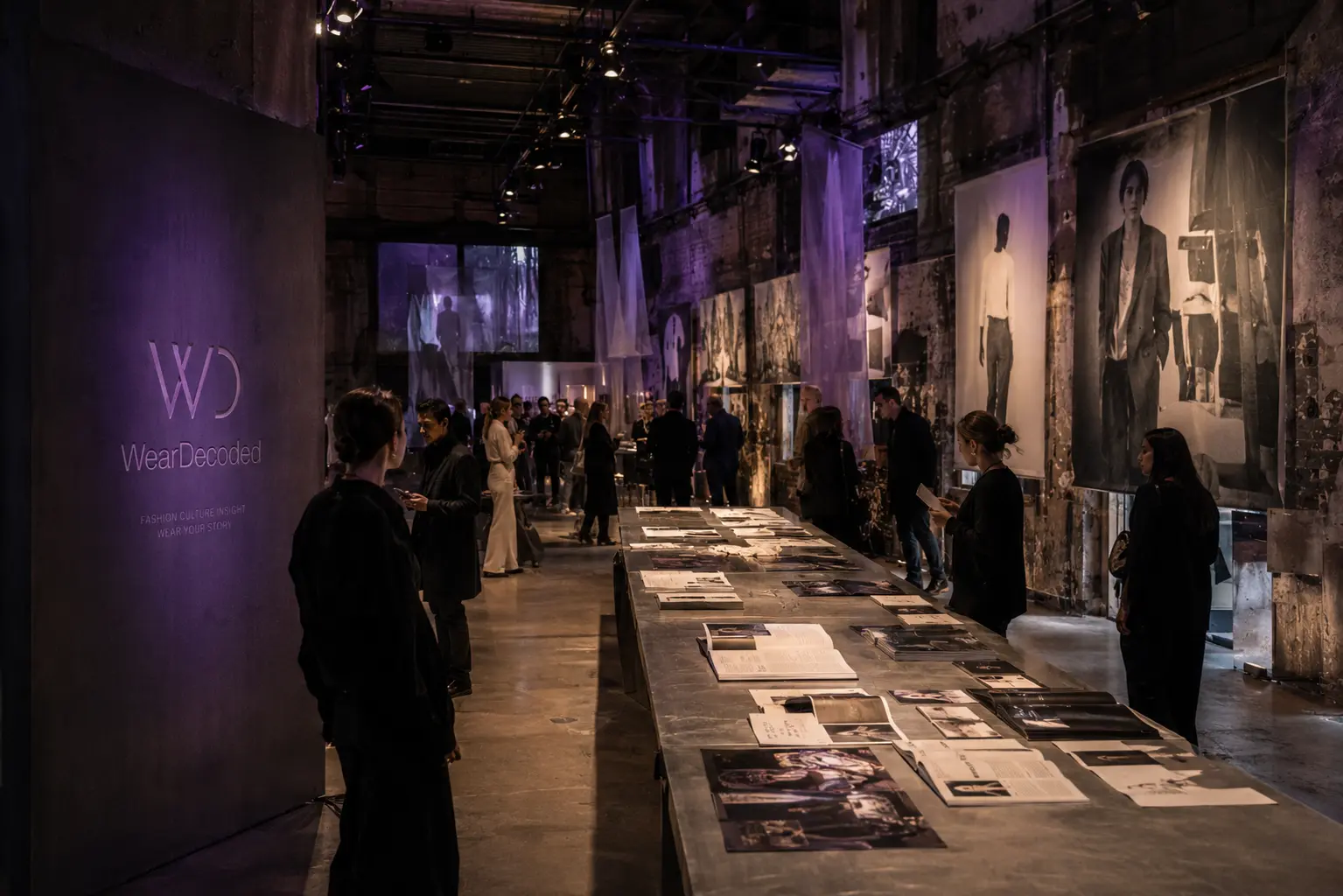
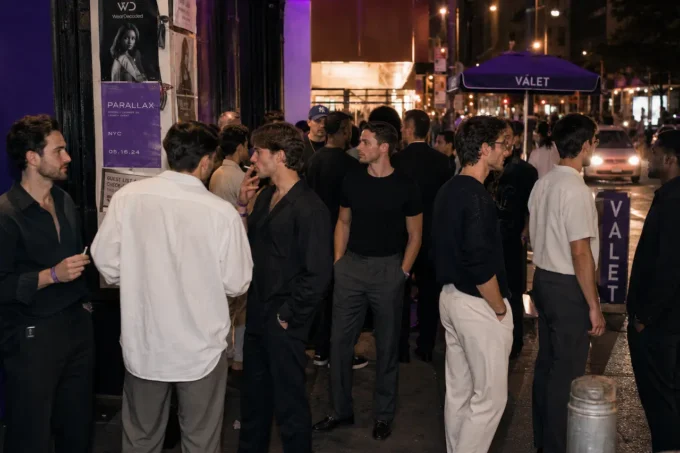
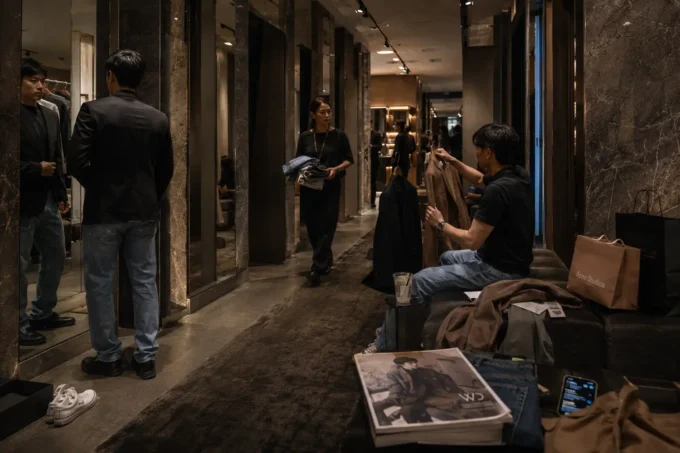
That applies beyond retail and campaigns too. Creator collaborations, fashion events, independent publications, showroom presentations, pop-up activations, and even digital platforms all shape perception through the atmosphere surrounding the work, not only the work itself.
Some Projects Need Time Before They Make Sense
Interesting creative work rarely arrives fully formed.
Some ideas need stronger collaborators. Some campaigns require a more aligned audience. Some editorial directions only become meaningful after enough cultural movement builds context around them naturally.
That slower development process matters.
The internet encourages immediate performance from everything: instant engagement, instant virality, instant relevance. But many memorable fashion projects originally developed quietly before finding the environment that allowed the work to feel complete emotionally.
Not every unfinished page lacks direction. Sometimes it simply has not met the right context yet.
That perspective increasingly influences how modern editorial platforms evolve too. There is growing fatigue around media spaces designed entirely around urgency, algorithmic reaction, and constant publishing pressure. Readers increasingly value environments where visuals, products, ideas, and conversations have enough room to breathe instead of competing endlessly for immediate performance.
Good placement protects perception.
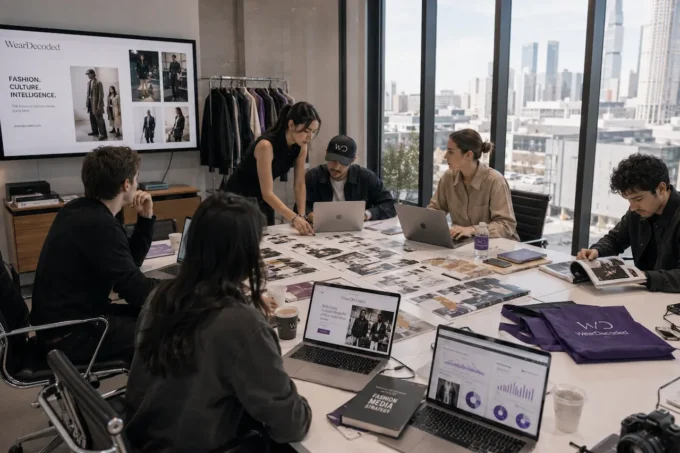
WearDecoded is being built around that slower editorial approach — creating space for contributors, creators, photographers, independent labels, agencies, and collaborations that benefit from thoughtful context rather than disposable visibility cycles.
Brands, photographers, creators, agencies, and contributors interested in more intentional editorial placement or long-term collaborations can reach out through the WearDecoded Contact Page or email .
Brand perception, editorial placement, and consumer attention patterns continue evolving across industries, audiences, and digital platforms over time.














Leave a comment