Most fashion ideas move quietly through smaller environments long before they become publicly recognizable trends. A silhouette starts appearing inside independent showrooms. A fabric choice repeats across moodboards. A stylist mentions a label privately before creators begin wearing it publicly months later. Someone notices a shift during sourcing trips before the algorithm turns it into mass visibility.
Fashion culture usually forms in quieter rooms first.
The public often experiences trends only after the most interesting stage already passed. By the time an aesthetic becomes heavily discussed online, many people inside fashion already moved deeper into the next set of references, conversations, and observations shaping future direction.
That slower layer of attention still matters enormously.
Most trends are decided quietly before they become visible publicly.
wearDecoded
Fashion Taste Moves Through People
Most trends do not begin through official announcements.
They move through photographers sending references privately. Stylists sharing images inside group chats. Buyers quietly noticing unfamiliar labels. Creators repeating certain shapes naturally across months. Editors bookmarking images without publishing them immediately.
Fashion spreads through observation before explanation.
That process became less visible online because social platforms reward immediate reactions and fast visibility. But underneath the algorithm, fashion still moves through trust networks, repeated exposure, and people paying close attention before something becomes commercially obvious.
Taste develops socially.
Not loudly. Not instantly. Usually through accumulation.
The Internet Changed Visibility, Not Instinct
Digital culture accelerated fashion exposure dramatically, but it did not completely replace slower creative development underneath.
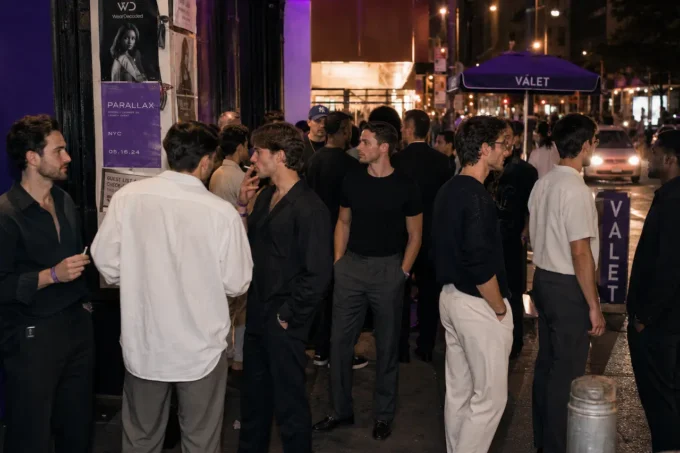
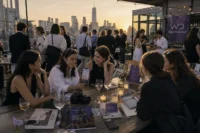
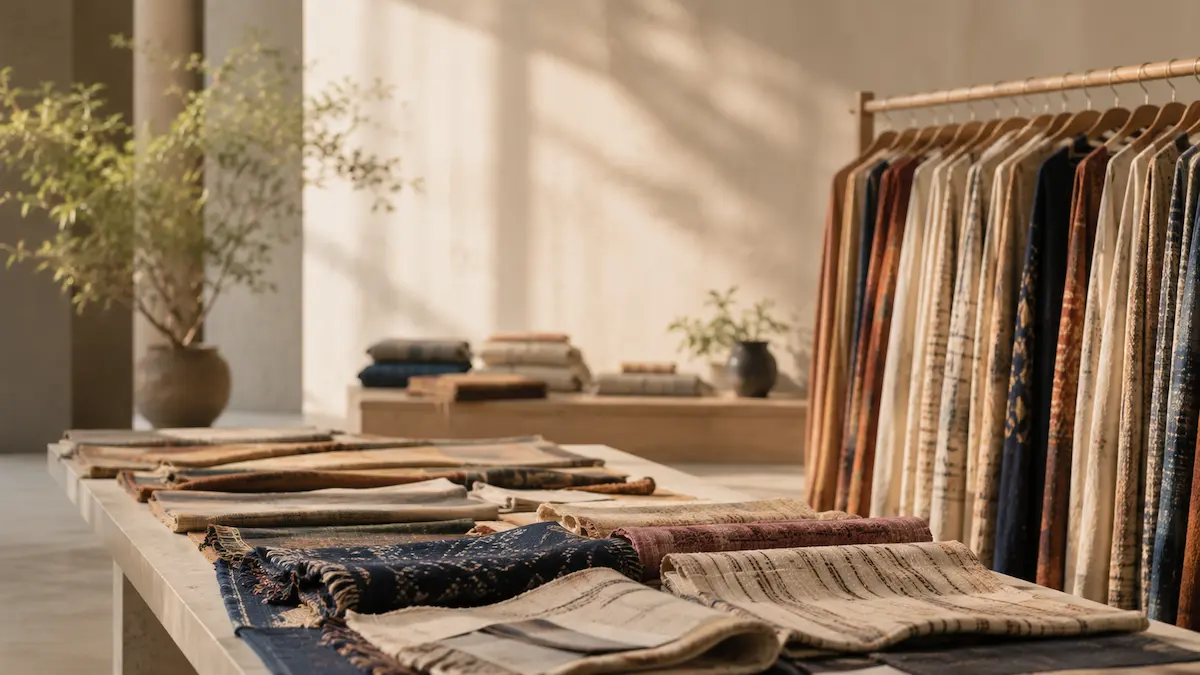
People still remember environments where interesting conversations happened naturally: hotel lobbies during fashion week, late-night dinners after events, small studio spaces, shared references between collaborators, quiet showroom appointments, or creators discussing brands before sponsorships ever existed.
Those spaces shape fashion identity more than many public campaigns eventually do.
The internet often captures the outcome later, but not always the formation process itself.
That difference explains why some trends feel emotionally empty despite enormous visibility. They were optimized for reaction before they developed enough cultural depth underneath. Other aesthetics move more slowly but create stronger long-term attachment because they formed through repetition, shared taste, and real creative environments first.
Selective Spaces Change Behavior
People behave differently inside environments that feel thoughtful instead of overcrowded.
Creators take more risks. Stylists reference smaller labels. Conversations become slower. Brands present work more carefully. Photographers observe more. People spend more time paying attention instead of performing constantly for visibility.
That atmosphere matters.
Not every publication, event, or platform needs to move aggressively to remain culturally relevant. Some of the most interesting fashion environments right now feel quieter precisely because they leave room for unfinished conversations, uncertainty, experimentation, and evolving perspective.
Restraint creates curiosity again.
Fashion audiences increasingly recognize when every interaction becomes optimized immediately for engagement metrics, trend cycles, and visibility performance. In response, slower editorial environments often feel more trustworthy because they allow ideas to mature naturally instead of packaging every observation into instant content.
Most of those aesthetics spread gradually through environments where people were paying close attention before mass visibility arrived later.
Fashion still rewards observation.
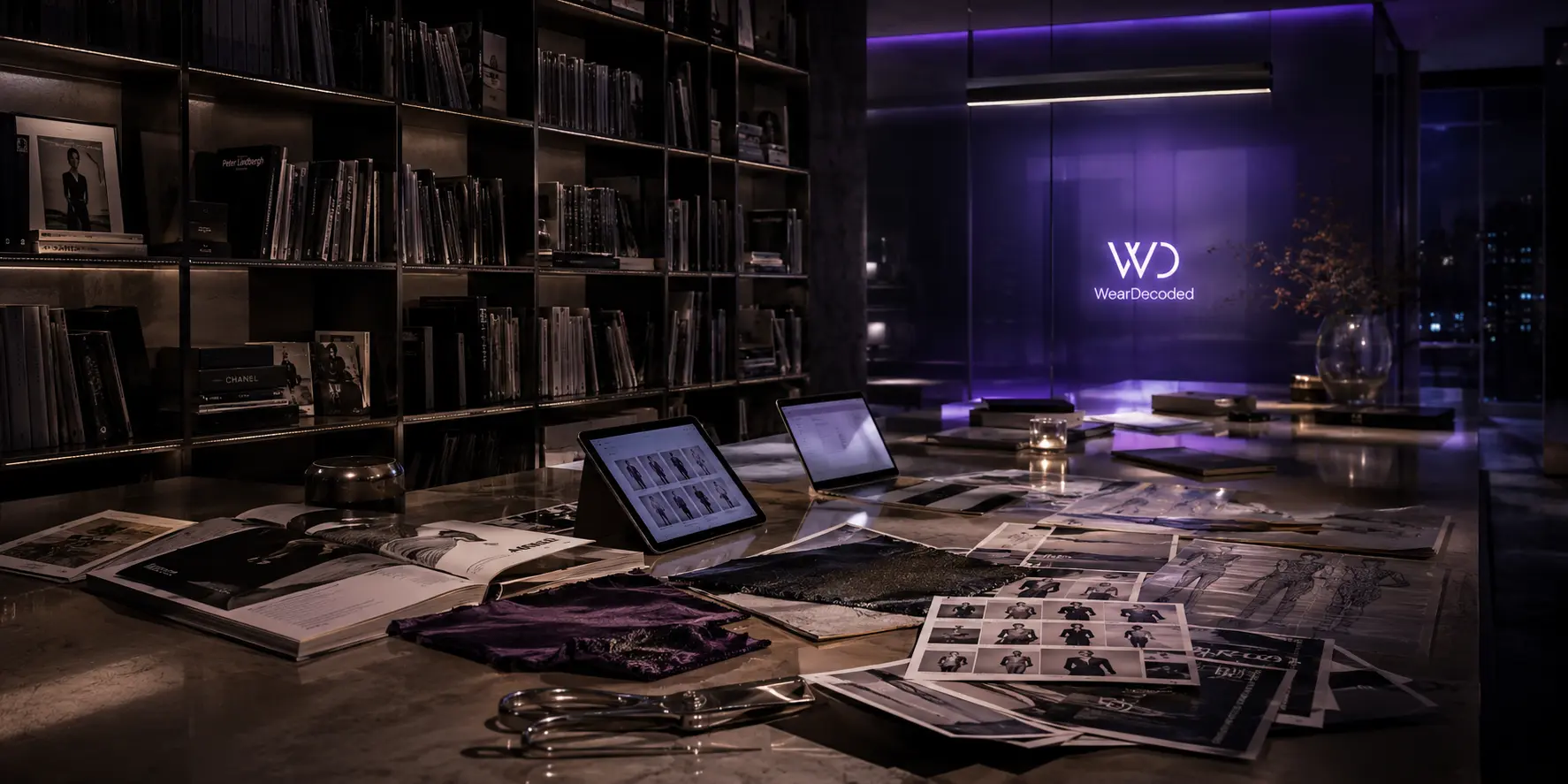
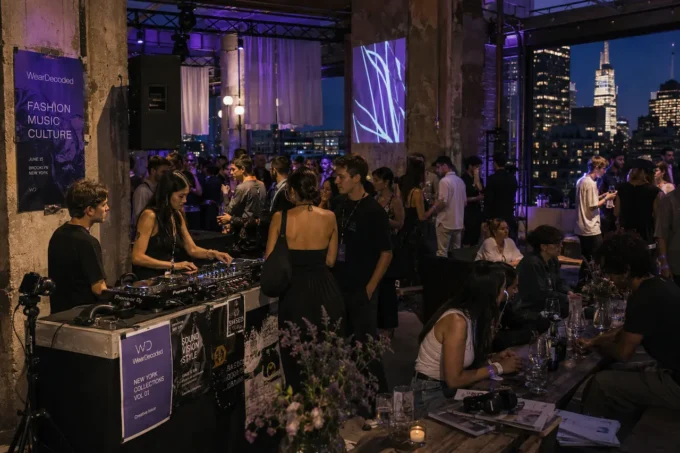
WearDecoded is being built around that slower layer of fashion culture the conversations, environments, creators, references, and quieter industry movements shaping perception before trends fully surface publicly.
Some rooms influence fashion long before the internet notices what happened inside them.
Fashion trends, creative influence, and cultural movements evolve continuously across regions, industries, and digital platforms over time.






Leave a comment