Audiences scroll through thousands of campaigns every week.
Most disappear almost immediately.
A smaller number remain visible in memory long after the launch period ends, even when the campaigns themselves were quieter, slower, or less aggressive than everything surrounding them online. That difference rarely comes from budget size alone. It usually comes from clarity, restraint, and a brand understanding exactly how it wants to be perceived over time.
Recognition becomes stronger when it stops demanding attention constantly.
Recognition becomes stronger when it stops asking for permission.
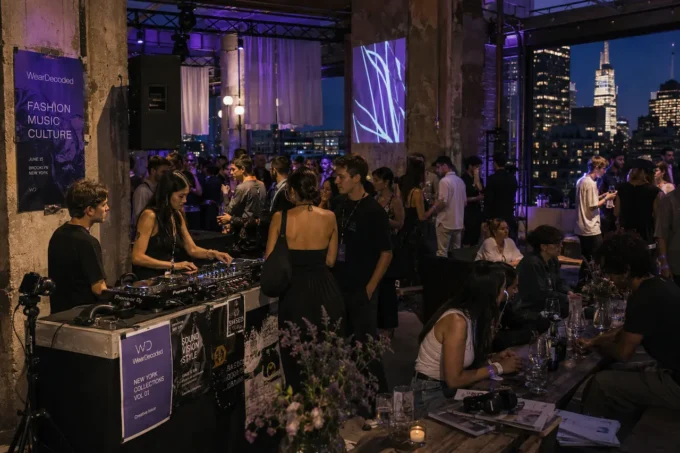
WearDecoded
Loud Visibility Often Creates Shorter Memory
The internet rewarded aggressive branding for years.
At first, that strategy worked because digital attention still felt easier to capture. But audiences eventually adapted. People now process fashion content at overwhelming speed, and much of it begins blending together emotionally because every campaign competes using the same urgency.
The result is visibility without attachment.
Fashion audiences increasingly remember brands that feel controlled instead of overloaded. A restrained visual identity, consistent atmosphere, recognizable styling language, and thoughtful pacing now often create stronger long-term memory than constant exposure alone.
People notice when a brand feels comfortable with its own identity.
The Most Distinct Brands Usually Feel Intentional
Strong fashion identity often behaves quietly.
The typography stays consistent. The photography belongs together. The campaign pacing feels deliberate. The product placement feels natural instead of desperate for reaction.
That emotional discipline matters.
Some brands weaken themselves by reacting to every internet trend immediately because the identity underneath never gets enough time to mature properly. Others become more recognizable precisely because they resist constant reinvention and allow their visual world to sharpen gradually through repetition and cultural consistency.
Fashion audiences trust coherence.
Not perfection. Not volume. Coherence.
Fashion Media Is Shifting Too
This change is influencing fashion publications and creator platforms as much as brands themselves.
Readers increasingly spend time inside spaces that feel visually calmer, more editorially structured, and less emotionally exhausting than the surrounding internet. Platforms overloaded with aggressive publishing cycles often become forgettable despite producing enormous amounts of content.
More output does not automatically create stronger identity.
Some of the most interesting editorial spaces right now leave room for: slower conversations, unfinished ideas, selective partnerships, visual restraint, and contributors shaping direction organically over time.
That atmosphere changes behavior.
Creators approach collaborations differently when the environment feels selective instead of overcrowded. Independent labels become more careful about placement. Agencies pay closer attention to context. Readers stay longer because the platform respects attention instead of consuming it aggressively.
Better Partnerships Usually Start Quietly
Interesting collaborations rarely begin through noise alone.
They usually begin through repeated observation: someone noticing a visual direction, a creator revisiting a platform, a photographer understanding the atmosphere instinctively, a brand recognizing alignment before public visibility fully arrives.
Fashion culture still moves heavily through perception and trust underneath the algorithmic speed of the internet.
That is why quieter brands often travel further culturally. They create recognition gradually instead of forcing attention prematurely. The strongest identities usually feel emotionally clear before they become widely visible.
Some brands are remembered because they appeared everywhere. The more interesting ones are remembered because they felt unmistakably themselves.
Creators, photographers, agencies, independent labels, and contributors interested in thoughtful collaborations or editorial partnerships can reach out through the WearDecoded Contact Page or email .
Fashion branding, consumer perception, and digital visibility patterns continue evolving across industries, audiences, and cultural environments over time.










Leave a comment