Install WearDecoded for faster access.
Home Lookbook People Still Judge The Storefront
Lookbook

People Still Judge The Storefront

People often decide how much they trust a brand before touching a single product.

Share
Share

A good storefront still slows people down.

Even now, when most discovery starts through Instagram reels, TikTok styling videos, Google searches, or random late-night scrolling, physical retail still changes perception in a completely different way. Walking past a store forces people to judge a brand without captions, ad copy, or algorithms helping explain it.

The lighting speaks first. Then the spacing. Then the styling. Then the energy.

People notice more than brands think they do.

A cluttered entrance makes products feel cheaper. Harsh white lighting changes how fabric feels emotionally. Empty stores sometimes feel intimidating instead of luxurious. Over-designed interiors can accidentally make people trust the clothing less because everything starts feeling like a set instead of a real place people shop.

Before people trust the product, they notice the presentation.

Before people trust the product, they notice the presentation.

wearDecoded

Why Physical Retail Still Matters

Online shopping made fashion faster, but it also made visual presentation more important. When people finally experience a brand physically, they compare it against the version they built in their head from screens.

That gap matters.

A strong storefront creates emotional consistency. The music matches the clothing. The staff energy matches the branding. The textures, mirrors, scent, fitting rooms, bags, and even the way clothes are folded start shaping memory before a purchase even happens.

People rarely explain this directly. They still react to it.

Some stores feel calm within seconds. Others feel visually exhausting immediately.

Fashion audiences became much more visually literate over the last few years because internet culture trained people to constantly analyze aesthetics. They may not use words like “visual coherence” or “brand language,” but they instantly notice when something feels rushed, copied, or disconnected.

That applies to editorial platforms too.

A fashion website with awkward spacing, weak typography, messy images, or inconsistent visual direction quietly damages trust even if the writing itself is strong. People judge presentation before they fully judge content.

The Internet Changed Retail Expectations

Modern shoppers no longer separate physical retail and digital identity completely. They expect the store, Instagram page, campaign photography, packaging, website, and customer experience to feel connected somehow.

When one part feels noticeably weaker, the illusion breaks fast.

A beautifully styled campaign cannot fully save a badly designed store. But the opposite is true too. Some smaller brands with limited budgets still create strong perception because the taste feels intentional across everything they touch.

Better restraint often works harder than forced luxury.

Small details now carry more weight than before. A believable changing room mirror. Natural fabric texture under warm lighting. Staff actually wearing the products naturally instead of looking styled for corporate training photos. Even the playlist changes perception.

People remember atmosphere longer than product specifications.

Presentation Quietly Shapes Memory

Retail stores now operate partly as physical moodboards.

Not every visitor buys something immediately. Many people walk in, observe, take mental notes, photograph displays, save ideas, or attach emotional memory to the brand without purchasing anything that day.

That still matters long-term.

Some fashion spaces become culturally recognizable simply because people enjoy existing inside them for a few minutes. Others fail because the environment feels emotionally empty no matter how expensive the interiors are.

Good presentation alone does not guarantee relevance.

But weak presentation damages perception almost immediately.

That is partly why brands, publications, cafés, and creator-led spaces are all starting to look more visually considered now. Audiences became harder to impress but easier to lose.

WearDecoded is developing publicly for similar reasons. Editorial identity usually becomes stronger through repetition, observation, experimentation, contributor energy, and visual consistency over time. Not through pretending everything is fully perfected on day one.

Sometimes people trust evolution more than artificial polish.

WearDecoded will continue evolving through contributors, creators, retail observations, and industry conversations over time. Brands, creators, studios, cafés, and independent labels interested in collaborating, contributing, or advertising can reach out through the Contact page or email the team directly.

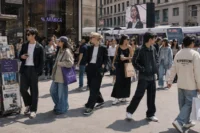
Realistic fashion storefront scene during golden hour with stylish shoppers, warm retail interiors, and subtle WearDecoded branding on the window.

Share

Leave a comment

Leave a Reply

Your email address will not be published. Required fields are marked *

Related Articles
Comparison between a traditional fashion lookbook shoot and a creative moodboard workspace filled with visual references and styling ideas.
Lookbook

Moodboards Started Replacing Lookbooks

Fashion audiences increasingly connect with the atmosphere around a collection before the...

Indian man and woman in linen summer outfits sage green co-ord and white shirt beige chinos outdoor
Lookbook

summer outfits under ₹2000 india 2026 — 5 complete looks for men and women

Five complete summer outfits under ₹2000 each — for men and women...

Women wearing relaxed minimalist dresses at a sunny café district in a modern city street-style editorial scene.
Lookbook

Lookbooks Became Lifestyle Documents

Modern fashion lookbooks now sell atmosphere, routine, and identity almost as much...

Stylish man and woman walking through a bright modern airport terminal wearing relaxed luxury travel fashion with elegant luggage.
Lookbook

People Notice The Details First

Small details often shape trust long before people consciously explain why something...