No products in the cart.


Creators
The Mood Shapes The Memory
People often remember the feeling around the clothing before the clothing itself.
Share
Fashion rarely exists alone anymore.
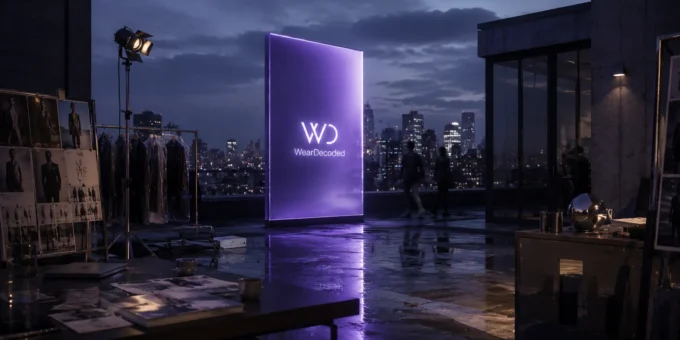
The clothing arrives attached to lighting, music, camera grain, hotel lobbies, playlists, airport mirrors, cafés, packaging textures, editing styles, and emotional atmosphere surrounding the product itself. People are no longer separating the item from the environment it appeared inside.
Mood became part of the memory. That shift quietly changed how influence works online. A creator wearing a simple grey hoodie inside warm apartment lighting can feel more emotionally persuasive than an expensive campaign photographed inside a perfectly controlled studio. The atmosphere changes how people remember the outfit.
People often remember how a space felt before they remember what it sold.
WearDecoded
Fashion Became More Environmental
Consumers now absorb fashion through environments instead of isolated products.
Someone notices jewellery while a creator cooks late at night. Another person remembers a jacket because of the café lighting in the background of a travel vlog. A tote bag becomes desirable simply because it repeatedly appears beside books, airport seats, half-finished coffees, and naturally believable routines online.
The object and the mood merge together.
That is partly why so many brands now focus heavily on soundtrack choices, colour grading, packaging texture, showroom design, scent, editorial pacing, and campaign environments. They understand that emotional memory often forms before people consciously evaluate the product itself.
People remember how something felt surprisingly fast.
The Internet Changed Emotional Attention
Social media intensified this behavior because audiences now spend hours consuming fashion indirectly through fragments.
A blurry mirror photo.
Soft lighting across wrinkled fabric.
Someone walking through rain in oversized trousers.
Background music inside a fitting-room clip.
An apartment that looks slightly lived in instead of perfectly staged.
Those details shape perception quietly.
Modern audiences became highly sensitive to emotional tone even when they cannot explain it directly. They notice when campaigns feel emotionally cold. They notice when creator content suddenly becomes too polished. They notice when retail spaces feel engineered entirely for social media instead of actual human comfort.
Perfect presentation now sometimes creates distance.
People increasingly trust environments that feel observed carefully instead of aggressively optimized for reaction.
Editorial Spaces Changed Too
This shift also changed how fashion media itself gets judged.
Readers now pay attention to pacing, typography, image selection, visual restraint, rhythm, atmosphere, and emotional consistency around content. Publishing aggressively no longer guarantees attention if the surrounding environment feels empty or disconnected.
The mood around the platform shapes trust too.
Some digital spaces feel exhausting within seconds. Others feel calm immediately without needing to explain themselves heavily. Often the difference comes from restraint rather than volume.
Too much optimization started making fashion environments feel emotionally thinner.
That is partly why quieter creator platforms, slower editorial pacing, softer visual identity, and more observational storytelling increasingly stand out online. Audiences became harder to impress but easier to emotionally overwhelm.
Mood influences memory longer than information sometimes does.
WearDecoded is intentionally developing through that perspective. Some parts of the platform will likely remain visually open, evolving, or unfinished because stronger ideas usually emerge through observation, contributors, collaborations, and changing fashion conversations over time instead of arriving fully polished immediately.
People often remember how a space felt before they remember what it sold.
Creators, photographers, brands, studios, and contributors interested in collaborating or sharing ideas can reach out through the Contact page or email .
Information in this post is accurate at the time of writing but may change over time. Always verify details independently when needed.





Related Articles
Creators
Some Corners Become Cultural
The most influential fashion spaces are often the ones people return to...
Creators
We asked AI to pick two random indian fashion creators. here’s what it found.
The prompt was three words: pick two creators. No niche filter, no...
Creators
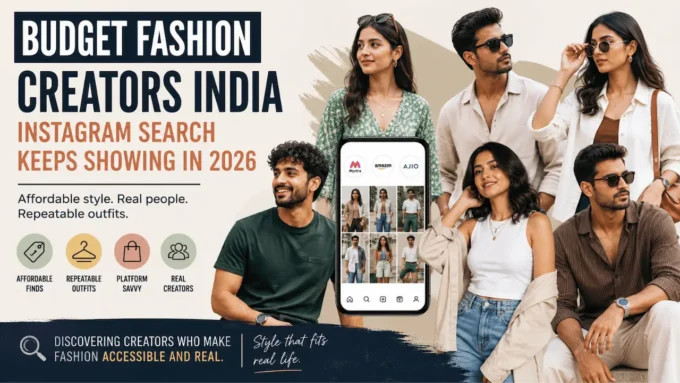
budget fashion creators india instagram search keeps showing in 2026
Budget fashion content keeps looping. Same outfits, same captions, same “link in...
Creators
The Industry Notices Eventually
The fashion industry has always relied on signals. A certain showroom gaining...


Leave a comment