No products in the cart.


Events
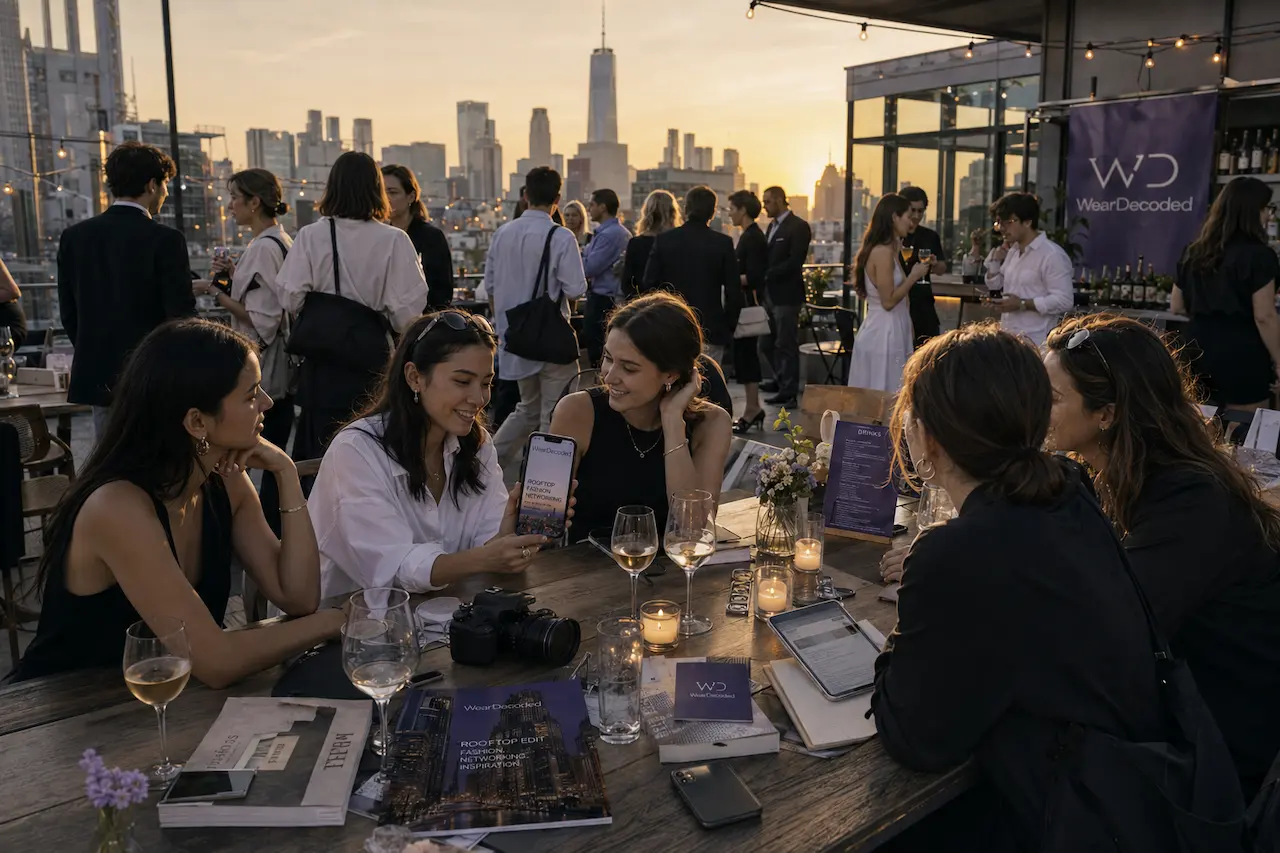
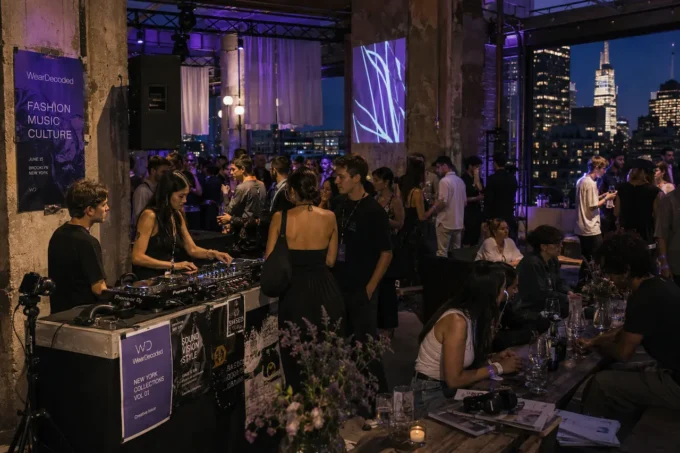
Rooftop Events Became Fashion Networking Spaces
Fashion networking increasingly happens in social environments designed as much for atmosphere as business itself.
Share
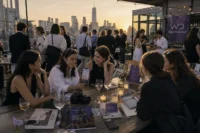
Fashion networking no longer happens only inside conference rooms, hotel ballrooms, or formal launch dinners.
Increasingly, it happens on rooftops.
That shift says a lot about how the fashion industry itself changed over the last decade. The people shaping modern fashion culture now move fluidly between professional and social environments: creators, photographers, stylists, editors, independent founders, digital-first brands, talent managers, agency teams, and influencers often build relationships through spaces that feel culturally alive rather than formally structured.
Rooftop events fit that transition perfectly.
Fashion networking works differently once the walls disappear.
WearDecoded
Atmosphere Became Part Of Networking
Traditional networking environments often feel too rigid for an industry now driven heavily by image, visibility, and personality.
Rooftop venues solve several things at once:
they photograph well,
feel socially current,
encourage longer conversations,
and naturally blend nightlife, branding, media visibility, and relationship-building together inside one environment.
A founder may meet a buyer beside a rooftop bar instead of across a boardroom table. A stylist may casually begin a future collaboration during sunset conversations between events. Creators shoot content while networking happens simultaneously in the background without the interaction feeling forced or transactional.
The setting changes behavior.
People relax differently in open-air environments. Conversations become less formal. Introductions happen more naturally. The distance between professional identity and personal identity becomes smaller, which matters in industries where perception, taste, and social chemistry increasingly influence opportunities.
Fashion Events Became Public Visibility Spaces
Modern fashion events now operate as multiple things simultaneously.
A rooftop gathering may function at the same time as:
an industry mixer,
a creator content environment,
a luxury brand launch,
a networking space,
a nightlife venue,
and a visual backdrop for social media distribution.
That overlap barely existed at this scale before social platforms transformed visibility into part of the fashion business itself.
Today, attending the event often becomes part of the marketing.
The skyline photographs matter.
The guest list matters.
The atmosphere matters.
The content generated during the evening matters.
Fashion culture increasingly rewards spaces that create visual identity naturally instead of forcing branding aggressively into every interaction.
The Line Between Work And Social Space Changed
One reason rooftop events became so common is because fashion itself stopped separating professional networking from lifestyle culture completely.
Conversations now continue through dinners, after-parties, hotel rooftops, cafés, gallery spaces, and informal creative gatherings where people exchange ideas more casually than traditional corporate industries usually allow.
That fluidity created new forms of visibility.
Someone may attend an event initially for networking but leave with:
future creator introductions,
brand relationships,
campaign opportunities,
photography connections,
or simply stronger cultural awareness about what people inside the industry are noticing quietly.
The atmosphere becomes commercially useful without looking aggressively commercial.
That balance matters because modern audiences and industry professionals both became highly sensitive to environments that feel overproduced or purely transactional. Rooftop spaces succeed partly because they maintain the illusion of spontaneity while still functioning as highly strategic networking environments underneath.
Fashion Networking Became More Visual
Fashion industries have always depended on relationships, but social media intensified how public those relationships became.
Networking now happens visibly.
Who attends matters.
Who gets photographed together matters.
Which venues become associated with certain brands or creators matters.
Even the lighting, skyline, and timing of events influence how people interpret the cultural relevance of the gathering itself.
Fashion networking works differently once the walls disappear.
WearDecoded is interested in documenting how events, retail spaces, creator culture, nightlife environments, and visual presentation increasingly overlap across modern fashion ecosystems because some of the industry’s most important conversations now happen in spaces designed as much for atmosphere as business itself.
Creators, photographers, event organizers, agencies, brands, and contributors documenting fashion spaces or evolving industry culture can reach out through the WearDecoded Contact Page or email .
Fashion events, networking culture, and industry environments vary across cities, brands, audiences, and cultural contexts over time.
Related Articles
Events
Fashion events Bangalore May-June 2026
Bangalore Fashion Week was supposed to open this week. It didn't.
Events
Fashion And Music Need Better Rooms
The most memorable fashion and music events now depend as much on...

Events
Mumbai fashion and lifestyle events 2026: What to attend from May to October and why it matters for your wardrobe
The India Jewellery Show has been running for 14 years. It has...
Events
upcoming fashion events in india 2026: what the second half actually looks like
The handloom hall at Bharat Mandapam goes quiet around 4pm on the...


Leave a comment