No products in the cart.


Hiring
Fashion Designers Are Being Hired Differently
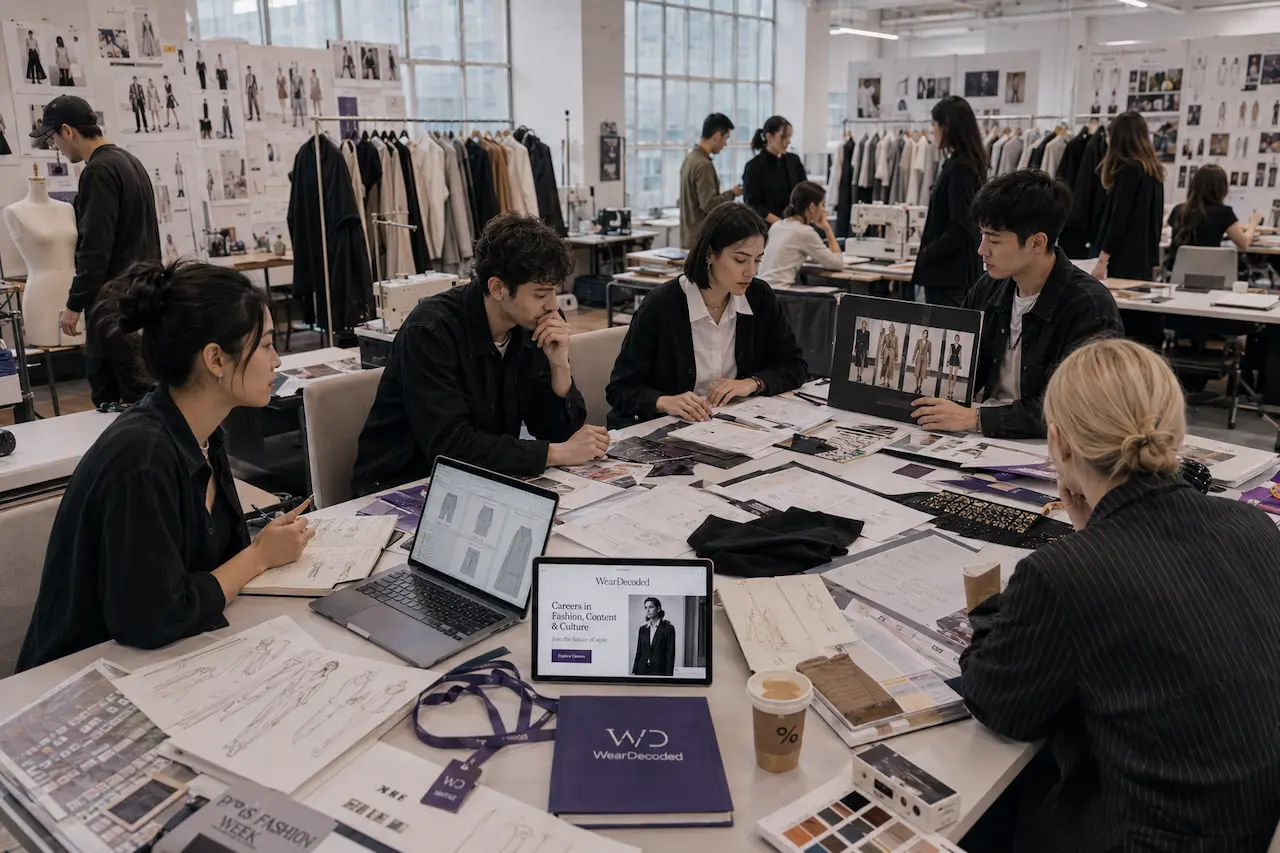
Fashion hiring increasingly values adaptability, cultural awareness, and presentation alongside technical design skill.
Share
Fashion designer hiring is changing quietly across the industry.
Portfolios, sketches, garment construction knowledge, and technical ability still matter, but many brands are now looking for something more difficult to measure formally: visual instinct, adaptability, cultural awareness, speed, communication, and the ability to understand how fashion behaves across both physical and digital environments simultaneously.
The role itself expanded.
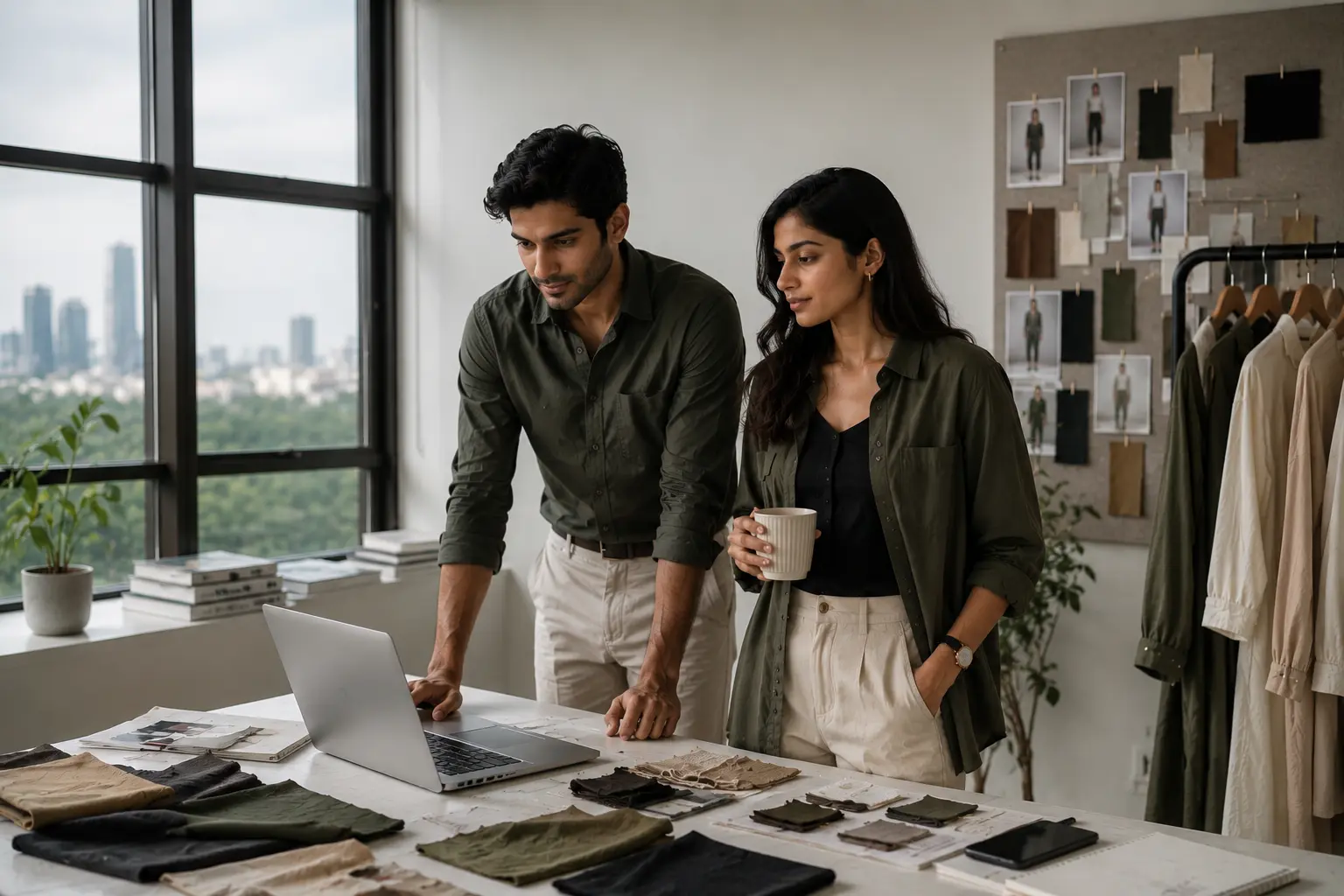
Designers today are often expected to understand far more than silhouette and fabric development alone. Many teams now want creatives who can move comfortably between product design, campaign thinking, ecommerce presentation, moodboards, creator culture, retail awareness, social media aesthetics, and evolving customer behavior without treating those worlds as completely separate disciplines.
Fashion design became more connected to visibility itself.
Design skills matter. Taste under pressure matters more.
WearDecoded
Hiring Is Becoming Less Formal
The hiring process changed alongside the industry.
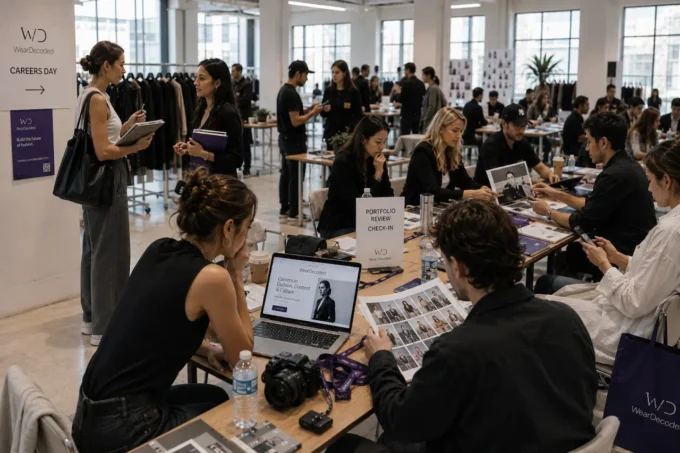
Many creative opportunities now begin long before official interviews appear publicly. Brands increasingly evaluate designers through Instagram profiles, shared Pinterest references, freelance collaborations, creative exercises, WhatsApp conversations, trial projects, and personal recommendations moving quietly between creative networks.
Presentation matters differently now.
A designer may still submit technical work, but employers also pay attention to:
visual taste,
styling instinct,
online presence,
communication style,
creative references,
and whether the person understands current fashion culture beyond trend forecasting alone.
The industry became more observational.
Creative teams increasingly want people who already move naturally inside fashion ecosystems instead of candidates relying only on formal qualifications without broader cultural awareness surrounding the work itself.
Fashion Teams No Longer Operate In Isolation
One major shift behind this hiring evolution is that fashion departments themselves became more interconnected.
Design teams now interact constantly with:
content teams,
ecommerce departments,
creative directors,
social media managers,
retail feedback,
campaign production,
creator partnerships,
and performance data shaping product decisions in real time.
That environment changed expectations.
A designer creating products without understanding how those products photograph, perform online, appear inside short-form video, or connect emotionally with current audiences may struggle more today than in earlier fashion systems built around slower seasonal cycles.
Taste under pressure matters more now.
The internet accelerated trend visibility so aggressively that many brands increasingly value creatives capable of responding quickly without losing consistency or identity completely in the process.
Creative Hiring Became More Psychological
Fashion hiring now often evaluates how people think as much as what they technically produce.
Can they notice shifts early?
Can they interpret references intelligently?
Can they work across fast-moving environments without becoming visually repetitive?
Can they communicate ideas clearly to both creative and commercial teams?
Those questions influence hiring more than many public job descriptions openly reveal.
The strongest candidates are often not only technically skilled, but also culturally observant enough to understand why certain aesthetics, products, creators, campaigns, or retail environments resonate emotionally with audiences at particular moments.
That awareness became commercially valuable.
The Industry Rewards Visibility Differently Now
Fashion careers increasingly develop through visibility ecosystems instead of traditional pathways alone.
Someone may be discovered through:
a design page,
a styling account,
a freelance collaboration,
an independent project,
a fashion meme page,
a short-form content series,
or a portfolio circulating quietly between creative teams before a formal application ever happens.
The boundaries between designer, creator, stylist, creative strategist, and visual communicator became less rigid.
That flexibility creates new opportunities, but it also increases pressure on emerging designers to think beyond technical execution alone. Employers increasingly look for creatives capable of understanding both the product and the cultural environment surrounding it.
Fashion hiring became less predictable, more visual, and far more connected to how people move through media now.
WearDecoded is interested in documenting how fashion careers, creative hiring, retail expectations, and industry culture continue evolving alongside modern digital fashion ecosystems and changing creative economies.
Designers, recruiters, photographers, stylists, creative teams, and contributors exploring changing fashion careers or industry culture can reach out through the WearDecoded Contact Page or email .
Hiring practices, creative expectations, and fashion industry recruitment standards vary across companies, regions, and evolving market conditions over time.


Related Articles
Hiring
fashion jobs in bangalore 2026: where to apply right now
Bangalore has a concentration of fashion ecommerce, retail, and studio hiring across...
Hiring
Fashion Hiring Looks Different Now
Fashion hiring has become less predictable than most industries publicly admit. Degrees...


Leave a comment