Install WearDecoded for faster access.
Home Decoded Why Outdoor Shoots Feel Better Again
Decoded

Why Outdoor Shoots Feel Better Again

Natural light, real locations, and less controlled environments are quietly changing how style photography feels online again.

Share
Share

For a long time, heavily edited studio photography became the default visual language online.

Perfect lighting setups. Artificial backdrops. Airbrushed skin. Controlled poses. Expensive productions designed to remove unpredictability from the frame completely. The images looked polished, but eventually many of them also started feeling emotionally empty. Audiences could sense how much manipulation sat between the camera and the final upload.

That is partly why outdoor photography feels refreshing again.

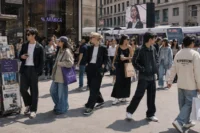
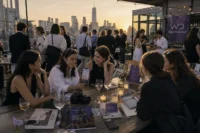
Across social media, editorials, creator shoots, and brand campaigns, there is a visible return toward natural environments and cleaner visual storytelling. Early-morning street portraits. Rooftop shoots using real sunlight instead of aggressive lighting rigs. Empty parking structures after rain. Quiet cafés. Beaches during cloudy weather. Residential streets at sunset. Open parks with uneven shadows moving across clothing naturally instead of being controlled entirely inside a studio.

The images feel less trapped.

Natural light usually exposes styling more honestly.

wearDecoded

Natural Light Changed The Mood Again

Outdoor photography softens almost everything.

Clothing moves differently when wind exists inside the frame. Skin tones stop looking artificially flattened. Shadows create imperfections that actually make people appear more believable. Even expensive clothing feels easier to imagine wearing once it is photographed in places connected to ordinary life instead of sterile studio setups.

Natural light usually exposes styling more honestly.

Photographers have understood this for decades. Louise Dahl-Wolfe, one of the pioneers of environmental photography, helped move editorial shoots outdoors as early as the 1940s because real locations created movement, freedom, and realism impossible to reproduce completely inside controlled studio environments.

Now the same idea is returning for a different reason: people are tired of images that look overdesigned.

Audiences Became More Sensitive To Overediting

The internet changed how viewers consume photography.

People scroll through thousands of images every day now, which means they instantly notice when a shoot feels too processed or emotionally disconnected from reality. Slight blur, uneven shadows, wrinkled fabrics, cloudy skies, reflections on glass, lens flare, grain, and movement no longer ruin an image. In many cases, those details improve it.

According to Felix Gärtner’s photography trend report, raw imagery, natural textures, minimal retouching, and visible imperfections are becoming increasingly important because audiences respond more strongly to photographs that feel human instead of overly perfected.

A similar shift appears across broader photography culture too. PetaPixel’s 2026 photography trend report noted that photographers across commercial, portrait, and documentary work are moving toward “emotion over perfect” imagery as viewers increasingly value realism, intimacy, and narrative over technical polish alone. The emotional tone matters more now than technical perfection.

Real Locations Started Feeling More Aspirational

Earlier campaigns often treated real environments as distractions from the clothing.

Now the location itself helps build the image.

A model standing outside a convenience store at midnight feels more culturally believable than someone posing against a blank seamless backdrop. Train stations, sidewalks, rooftops, motel parking lots, bookstores, elevators, laundromats, cafés, and apartment balconies all create emotional context immediately because people already associate those places with ordinary routines and memories.

Outdoor photography also photographs movement better.

Walking shots.
Wind catching oversized shirts.
Reflections across wet streets.
Sunlight changing naturally across skin.
A jacket carried over one shoulder instead of carefully styled.

Those moments feel less rehearsed, which is exactly why they work.

Scott Schuman, better known as The Sartorialist, built an entire visual movement around photographing style outside controlled studio environments. His work helped push editorial photography closer toward real-world observation instead of staged perfection.

That influence still shows up everywhere now.

Smaller Shoots Started Looking Better

Another reason outdoor photography is growing again is practical: audiences care less about obvious production budgets than they used to.

A strong location and natural light can outperform expensive studio productions if the mood feels believable. Many independent brands and creators now intentionally shoot outside because it creates realism, flexibility, and stronger emotional connection without requiring massive production setups.

Natural environments also reduce visual fatigue.

People already spend most of their day inside digital interfaces, artificial lighting, offices, apartments, airports, and screens. Outdoor photography introduces texture back into the image:
changing weather,
uneven light,
concrete,
trees,
glass reflections,
street movement,
and imperfect surroundings.

The world itself becomes part of the styling.

Accessories That Work Especially Well In Outdoor Shoots

Certain accessories consistently photograph better outdoors because they interact naturally with movement, light, and environment.

Popular styling choices right now include:

  • oversized tote bags
  • silver jewelry
  • slim sunglasses
  • vintage watches
  • textured scarves
  • leather loafers
  • worn sneakers
  • baseball caps
  • lightweight shoulder bags
  • film cameras used as props
  • wired headphones
  • canvas jackets
  • linen shirts
  • soft layering pieces

Useful references and products:

Outdoor Photography Feels More Human Again

The strongest images right now usually feel observed instead of manufactured.

Not because photography suddenly became less professional, but because audiences became more emotionally aware of what feels believable. The cleaner outdoor aesthetic happening now is really a reaction against visual exhaustion. People still appreciate beautiful imagery, but they increasingly trust photographs that leave room for weather, movement, texture, timing, and ordinary life to exist naturally inside the frame.

That shift is influencing creators, editorials, campaigns, ecommerce shoots, and even luxury brands that previously depended heavily on controlled studio perfection.

Outdoor photography is not replacing studios completely. It is simply bringing realism back into the image again.

WearDecoded is interested in documenting how photography, creator culture, visual identity, and modern style publishing continue evolving as audiences move toward imagery that feels more observational, less overproduced, and emotionally closer to real life.

Photographers, brands, agencies, creators, and independent labels interested in sponsored collaborations, editorial placements, visual campaigns, or advertising opportunities can reach out through the WearDecoded Contact Page or email .


Writers, ghostwriters, photographers, stylists, and contributors exploring photography, style culture, visual trends, retail environments, or creator ecosystems are also welcome to pitch ideas or collaborate.

Share

Leave a comment

Leave a Reply

Your email address will not be published. Required fields are marked *

Related Articles
Fashion creatives discussing ideas together inside a calm café environment
Decoded

The Cafés Where Projects Begin

Some of the most important fashion collaborations begin long before they look...

Creative fashion photography ideas captured with smartphones and smart devices across everyday urban environments.
Decoded

Smartphones Changed Fashion Photography

Fashion photography became more believable once cameras stopped feeling distant.

Editorial fashion portrait of a man and woman wearing oversized white shirts and black trousers in a minimalist studio with soft directional lighting and modern commercial styling.
Decoded

Good Styling Changes Perception

People often think they are judging clothes when they are actually judging...

Men and women shopping differently inside a modern fashion mall with realistic browsing behavior and bright retail atmosphere.
Decoded

Men And Women Shop Differently

People rarely buy fashion for exactly the same reasons.